Texas Licensed Fire Protection Company
Commercial Fire Suppression System Installation
in Dallas-Fort Worth, TX
UL 300 Wet-Chemical Systems Designed, Installed, and Commissioned for Your Kitchen
New cooklines, retrofits, and food trucks across Dallas, Fort Worth, Arlington, Plano, and Irving. We install ProTex, Pyro-Chem, Lehavot, and CaptiveAire systems and handle the permit and fire-marshal commissioning.
Over 40 years of combined experience. Permit pulled and commissioning handled.
Why It Matters
What a Bad Fire Suppression Installation Costs You
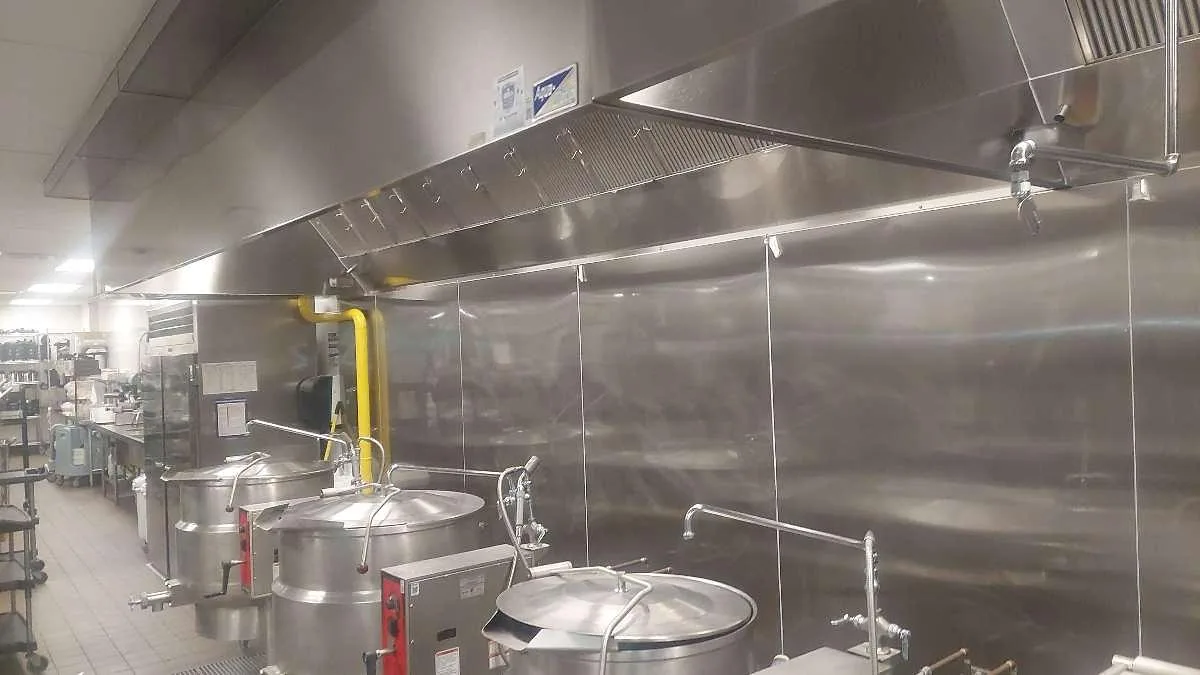
Boss Fire Protection is a Texas State Licensed fire protection company (ECR-2481913) with over 40 years of combined experience building commercial kitchen suppression systems across Dallas-Fort Worth since 2019. An install that is rushed, undersized, or cobbled together from mixed parts is one of the most expensive mistakes a new kitchen can make.

A failed commissioning and a delayed opening
If the install does not pass the fire-marshal hood-on test, the city will not let you open. Every delayed day is lost revenue before you serve a single customer.

A voided UL 300 listing
Mixing parts across manufacturers or skipping coverage rules voids the system’s listing. On paper the kitchen has no compliant system, even with equipment on the wall.

Denied insurance after a fire
Most commercial policies require a properly installed, listed system. A non-compliant install can let a carrier deny a fire claim when you need the coverage most.

A system that will not actuate
Wrong nozzle placement, a missed duct penetration, or an untied gas shutoff means the system cannot put agent on the fire where it actually starts.
Code Requirements
What Code Requires for a New Fire Suppression Installation
A new commercial kitchen suppression system has to be designed, installed, and commissioned to a short stack of codes before your fire marshal signs off. Here is what governs the install, in plain English.
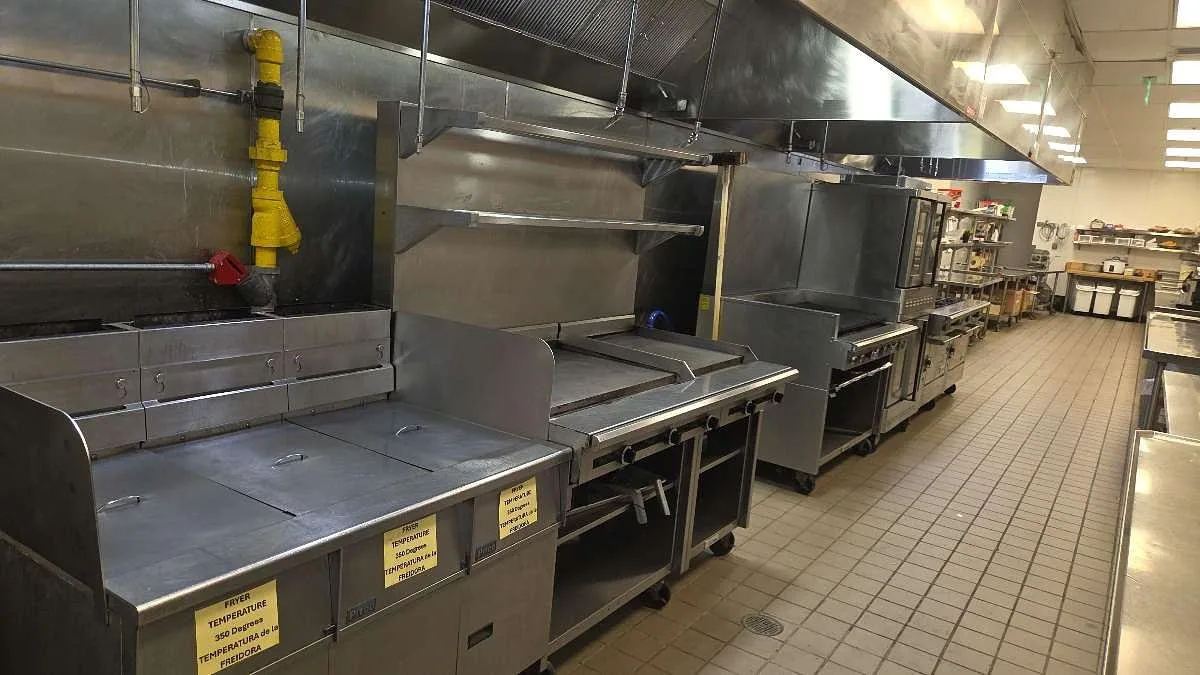
What a Compliant Installation Includes
| What the install must do | Governed by |
|---|---|
| Use a listed wet-chemical system, no mixed-brand parts | UL 300 |
| Cover every appliance, duct, and plenum | NFPA 17A |
| Detect and actuate automatically and by hand | NFPA 96 and 17A |
| Drop gas and electric power on activation | NFPA 96 |
| Pass a permitted hood-on commissioning test | IMC, IFC, and local AHJ |
Boss Fire Protection is Texas State Licensed (ECR-2481913) by the Texas Department of Insurance, State Fire Marshal’s Office. After the install we keep the system compliant with semi-annual inspections.
NFPA 96
Ventilation Control and Fire Protection of Commercial Cooking Operations. Sets how the system ties into the hood, the gas and electric shutoff, and the manual pull station. The anchor standard for the build.
NFPA 96 source standardNFPA 17A
Wet Chemical Extinguishing Systems. Governs how nozzles are sized and aimed for your exact appliance, duct, and plenum layout so agent reaches every part of the hazard.
NFPA 17A source standardUL 300
Fire Testing of Fire Extinguishing Systems for commercial cooking equipment. Every wet-chemical system installed since 1994 must be a UL 300 listed assembly, installed as one tested system.
UL Standards sourceTexas and your AHJ
Texas adopts these codes through the State Fire Marshal and your local building department. Boss Fire pulls the permit and passes the hood-on commissioning test your fire marshal requires before you open.
Texas State Fire MarshalWhat We Do
What Goes Into a Boss Fire Installation, Step by Step
Every installation follows the same documented path, from the first measurement to the fire-marshal sign-off. Here is exactly what we do on site, and what we photograph along the way.
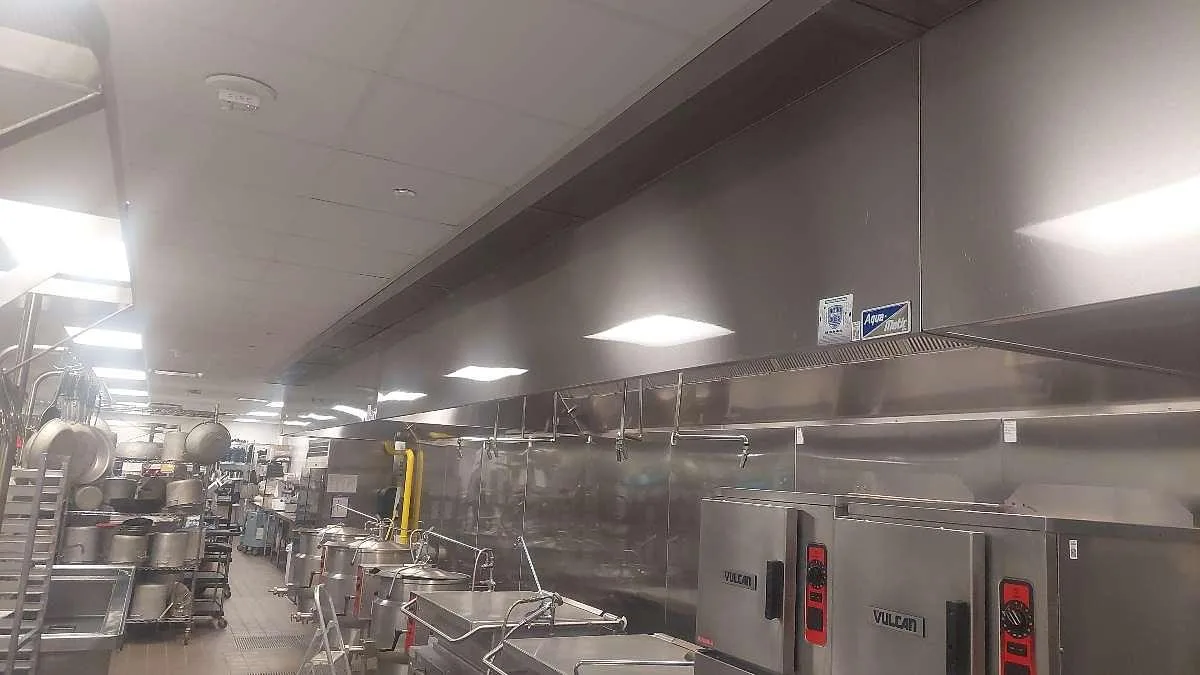
Design and size the system
We measure your hood, appliances, and duct layout and size a UL 300 system with nozzle coverage for every cooking surface.
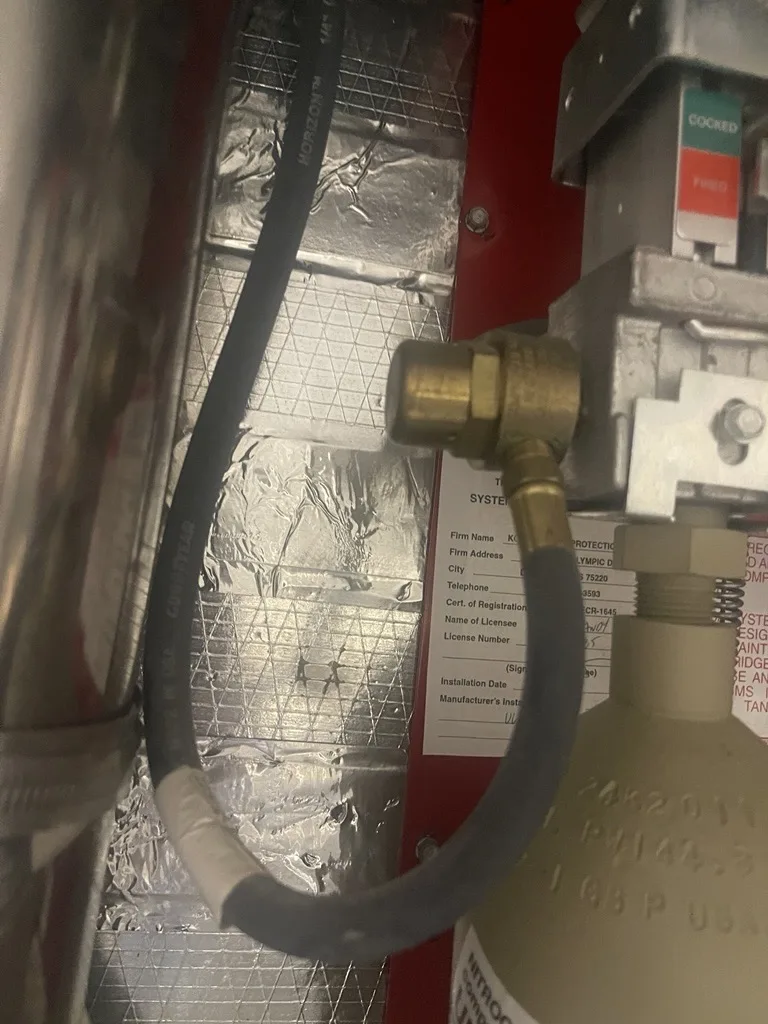
Mount the cylinder and control head
We set the agent cylinder and control head, run the detection line, and install the regulated-release and actuation hardware.
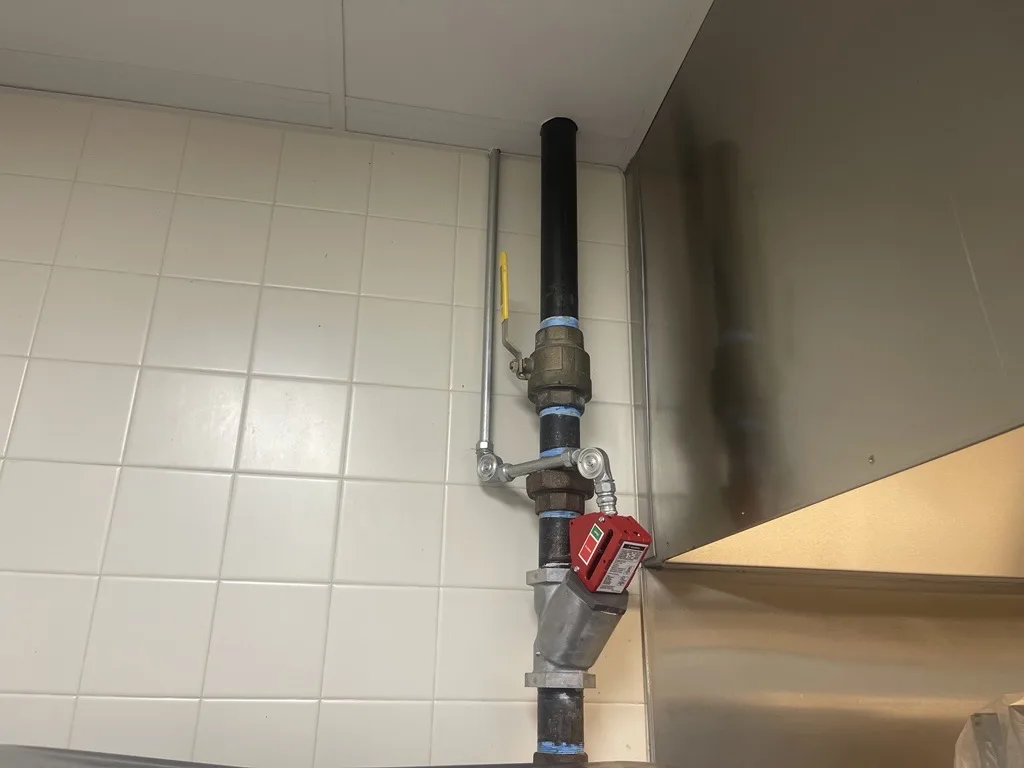
Tie in the gas and electric shutoff
We connect the mechanical gas valve and electric shutoff so the system drops fuel and power to the appliances the moment it actuates.
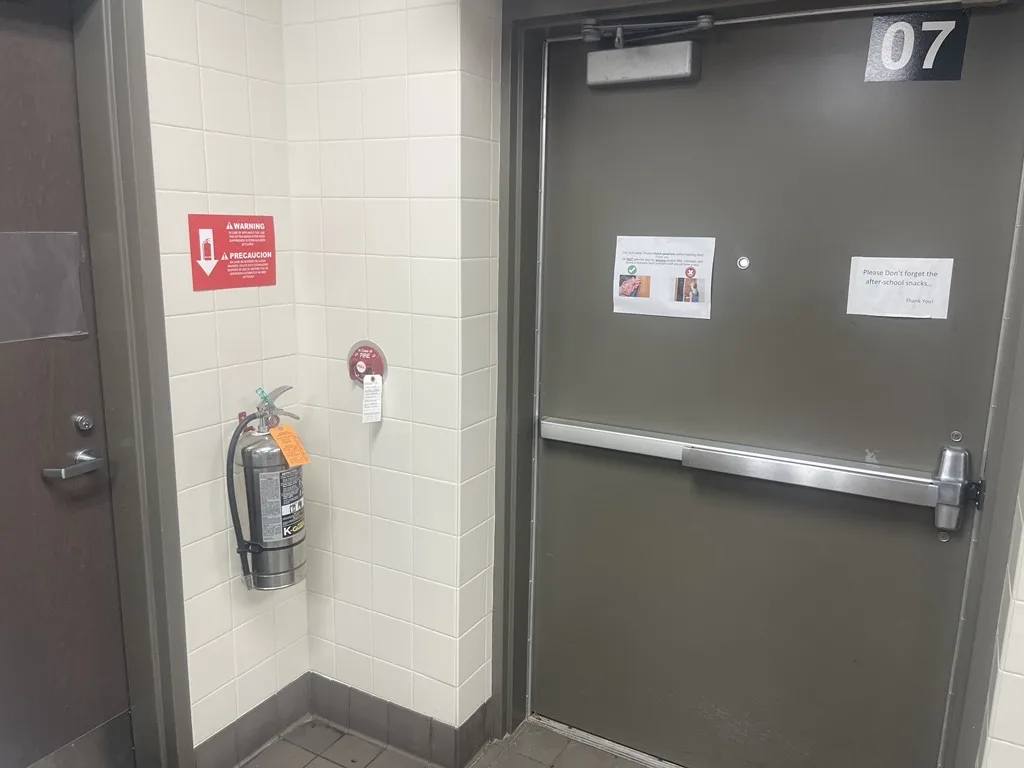
Aim the nozzles and set the pull station
Each nozzle is aimed to its appliance and the manual pull station goes on the path of egress, exactly where NFPA 96 requires it.
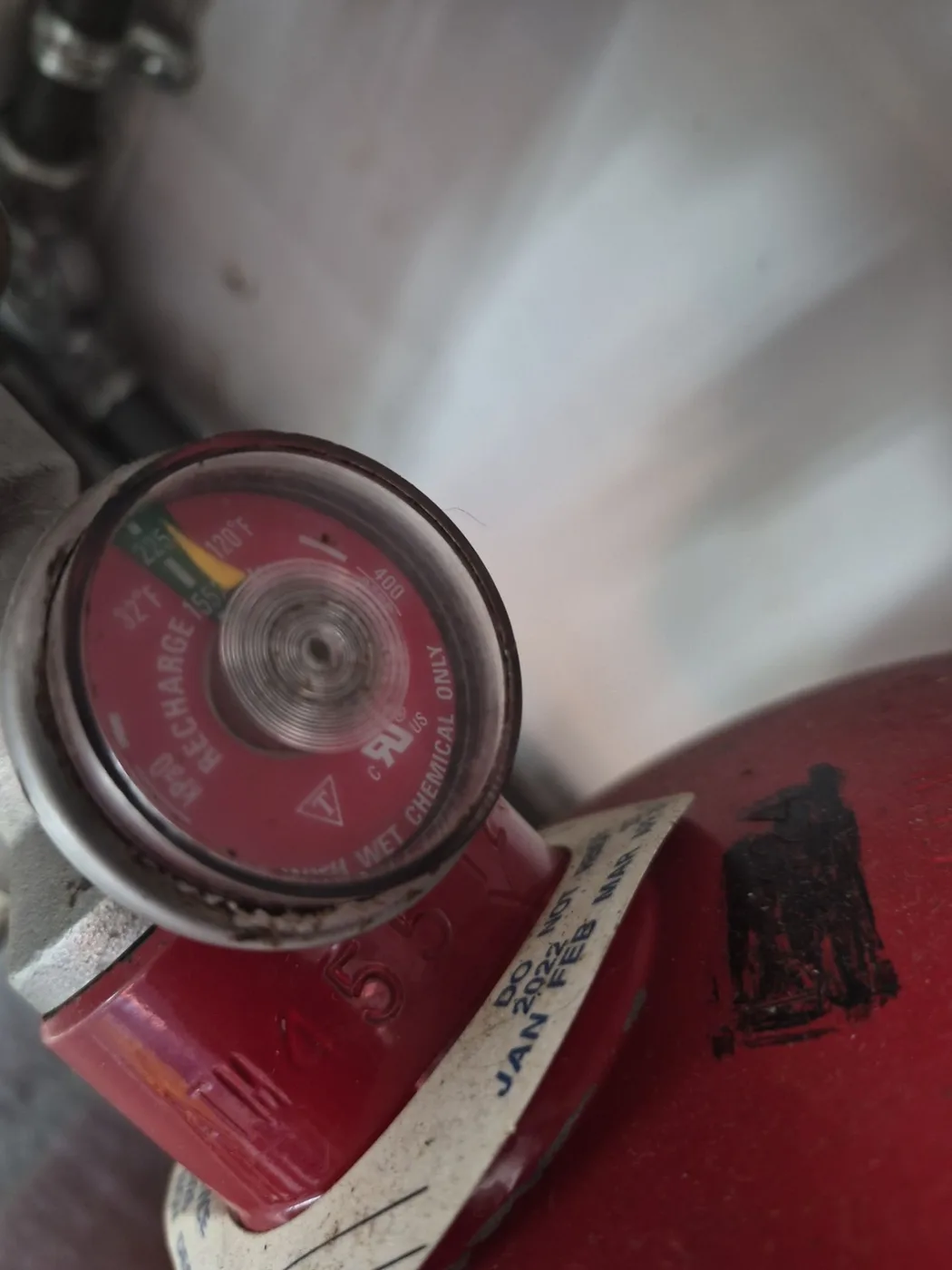
Commission, test, tag, and permit
We pressure-test the system, check the cylinder, run the commissioning test with your fire marshal, and tag the system before you open.
Every installation is quoted to your kitchen
- Cookline length and hood size
- Number and type of appliances
- New build or a retrofit
- The system you choose
- City permit and AHJ coordination
 No two kitchens are the same, so every install is scoped on site and put in writing before any work begins. No blind sticker rate, and never call-for-pricing only.
After the Install
The Boss Fire PACTHow we keep your system compliant for life
Once your system is in, you move onto the Boss Fire PACT, our ongoing commitment for the life of the equipment. It is how every Dallas-Fort Worth kitchen we install stays inspection-ready, year after year.
Photo-Documented
Every inspection and service visit after the install is photographed into a same-day report your fire marshal and insurer will accept.
Annual Pricing
Both semi-annual inspections and service are quoted up front for the year, so staying compliant never ends in a surprise invoice.
Compliance-Verified
Every visit verifies your system against NFPA 96, UL 300, and 17A, performed by a Texas-licensed team (ECR-2481913).
Timely Scheduling
We track your inspection windows and confirm them around your service hours, and any red-tag repair we find gets same-day response.
Systems We Install
Fire Suppression Systems We Install in Dallas-Fort Worth
We design and install the right UL 300 wet-chemical system for your kitchen, then keep it compliant for the life of the equipment. We install ProTex, Pyro-Chem, Lehavot, and CaptiveAire systems and size each one to your cookline.
ProTex II
A UL 300 wet-chemical system whose potassium-carbonate agent smothers a grease fire and stops it from reigniting. Its flexible coverage fits tight galleys, which makes it a strong fit for restaurants and food trucks.
Pyro-Chem Kitchen Knight II
A widely used pre-engineered UL 300 wet-chemical system with flexible appliance-specific or overlapping nozzle coverage that adapts to most hood and cookline layouts.
Lehavot
A UL 300 listed wet-chemical kitchen system, a solid pre-engineered option we install and service across Dallas-Fort Worth.
CaptiveAire
A newer, monitored wet-chemical option with electronic detection, a battery-backed control board, and 24/7 tank-pressure monitoring that pairs with CaptiveAire hoods.
We also service other UL 300 wet-chemical systems, including ANSUL R-102, Kidde WHDR, Amerex, and Buckeye. Not sure which system fits your kitchen? We will spec it for you.
The Boss Fire Standard
Boss Fire vs a Typical Installer
Not every install crew builds to the same standard. Here is what separates a Boss Fire installation from a fast, cut-corner job.
| What matters | Typical installer | Boss Fire Protection |
|---|---|---|
| System listing | Bolts together whatever parts are on the truck, even across brands, and voids the UL 300 listing. | Installs one listed assembly with no mixed-brand parts, so the listing holds. |
| Coverage design | Eyeballs nozzle placement and leaves gaps over an appliance or the duct. | Sizes and aims coverage to your exact appliance and duct layout, per NFPA 17A. |
| Permit and AHJ | Leaves you to chase the city permit and the commissioning test. | Pulls the permit and passes the hood-on commissioning with your fire marshal. |
| Shutoffs | Skips or rushes the gas and electric shutoff tie-in. | Ties in and tests the gas and electric shutoff before the tag goes on. |
| Documentation | Hands you a sticker and a verbal okay. | Photo-documents the install from sizing to sign-off in a written package. |
Planning a new build, or inherited a system you are not sure was installed right?
Yes, We Built That
Real Dallas-Fort Worth Installs We Completed
Every one of these is a real Boss Fire job. We sized it, built it, photographed it, and stood behind it.
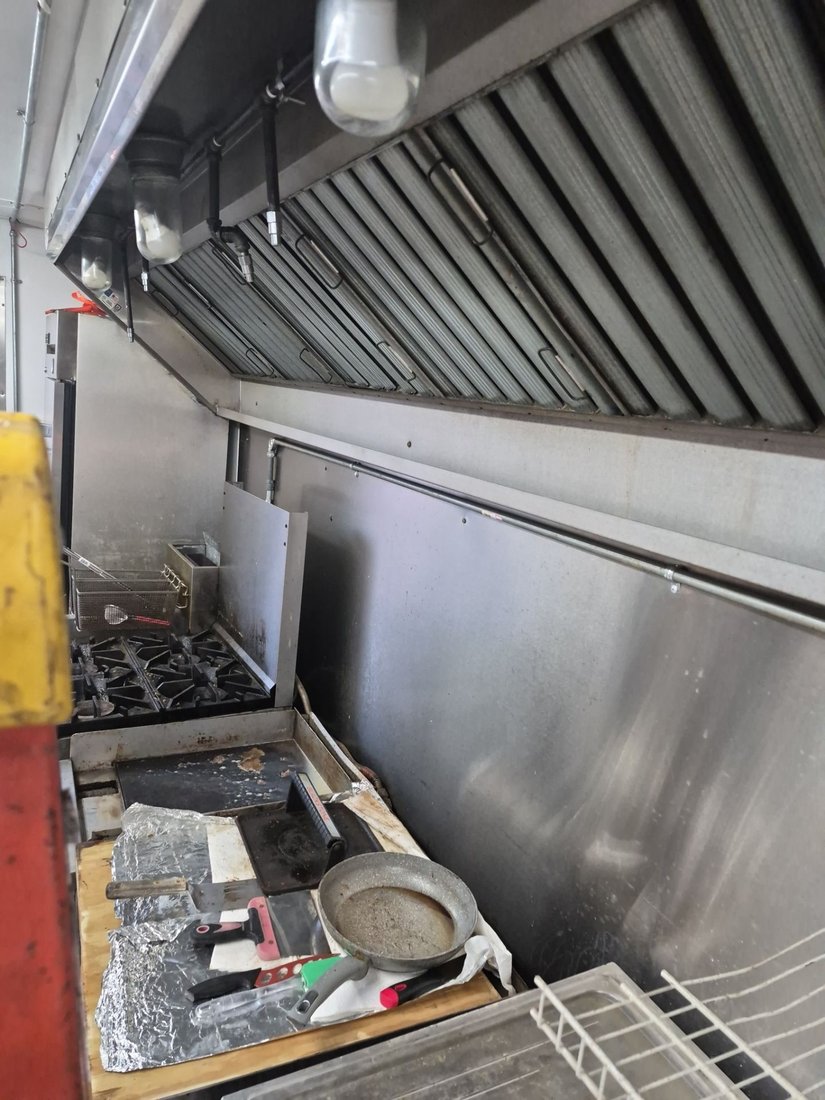
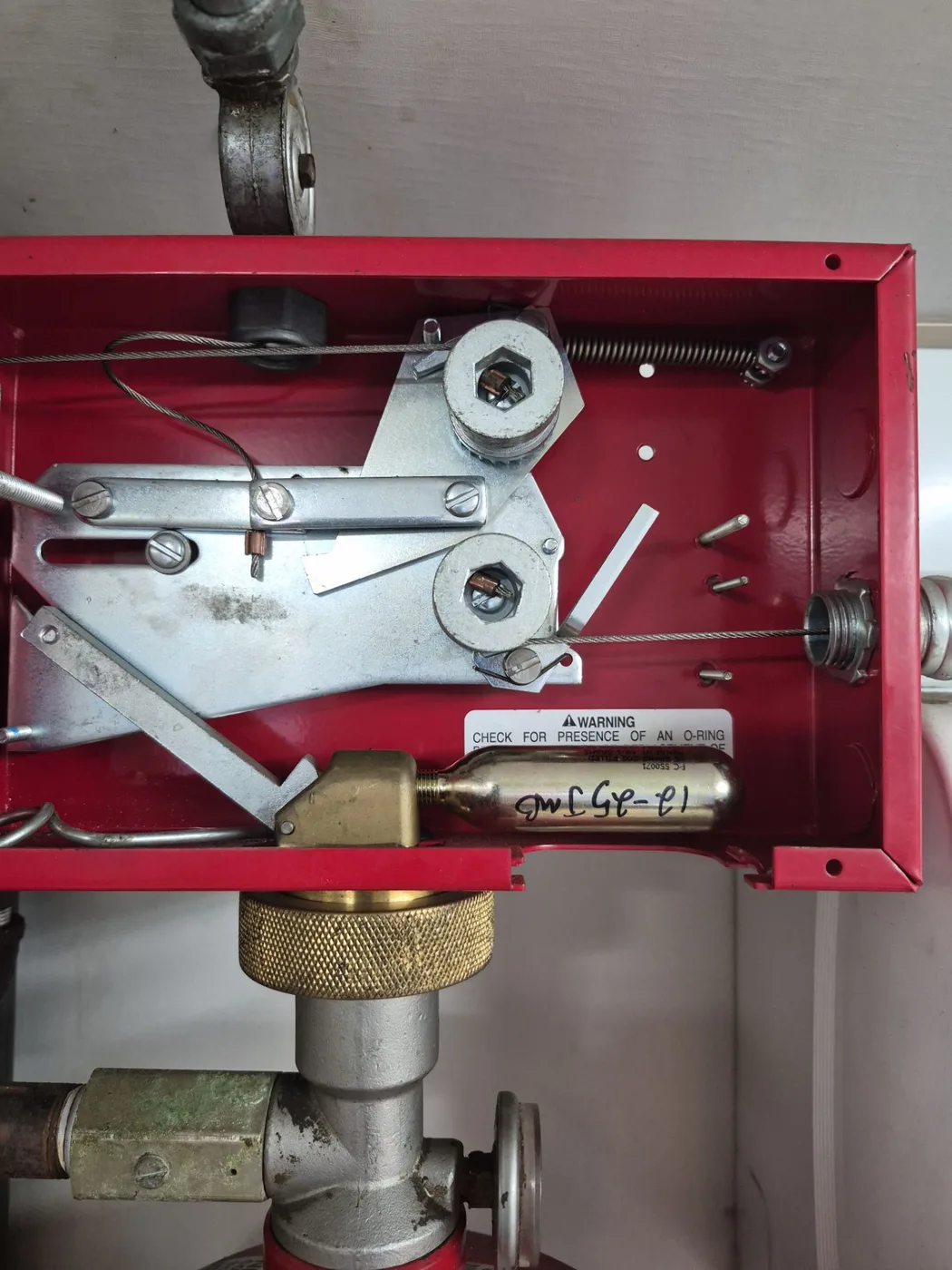
A food truck galley fitted with a UL 300 ProTex system
 Setting
Charlie Wright’s food truck needed a compliant wet-chemical system in a tight galley before it could work the Dallas-Fort Worth area.
 What we installed
We sized a ProTex II system to the cookline, aimed nozzle coverage over each appliance and the duct, mounted the cylinder and control head, and set the actuation.
 The hard part
A food truck is one of the toughest spaces to protect. Every nozzle has to clear the appliances in inches of space and the system has to ride down the road without drifting out of position.
 Outcome
We pressure-tested and tagged the bottle, and the truck went into service with a documented, compliant UL 300 system.
An unprotected exhaust duct brought into NFPA 17A coverage
 Setting
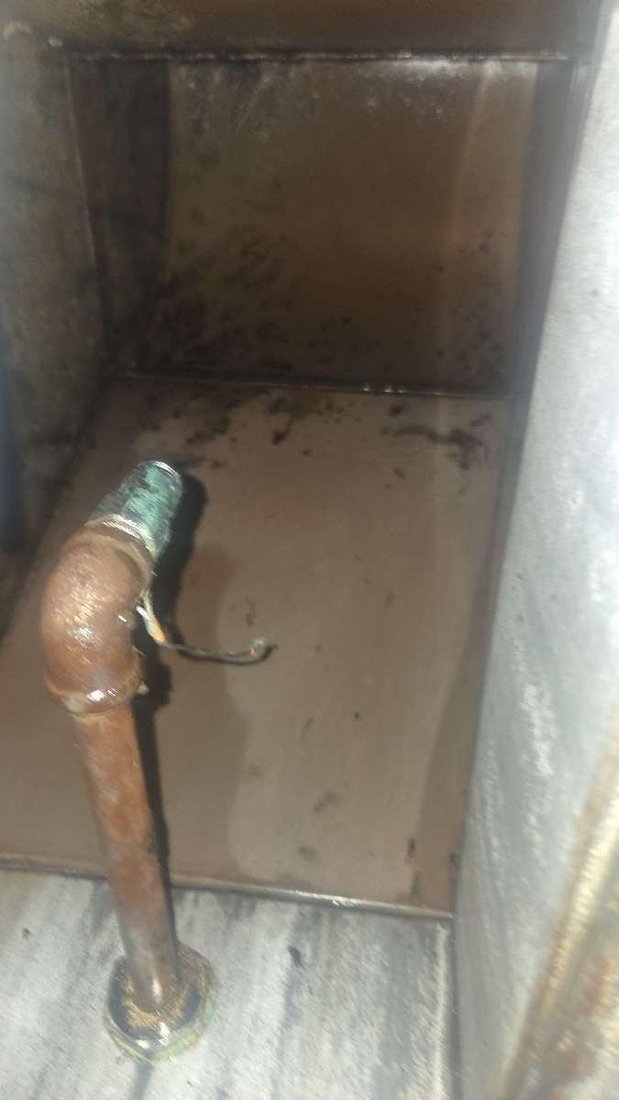
A Dallas commercial kitchen had a suppression system on the wall but a duct penetration with nothing protecting it.
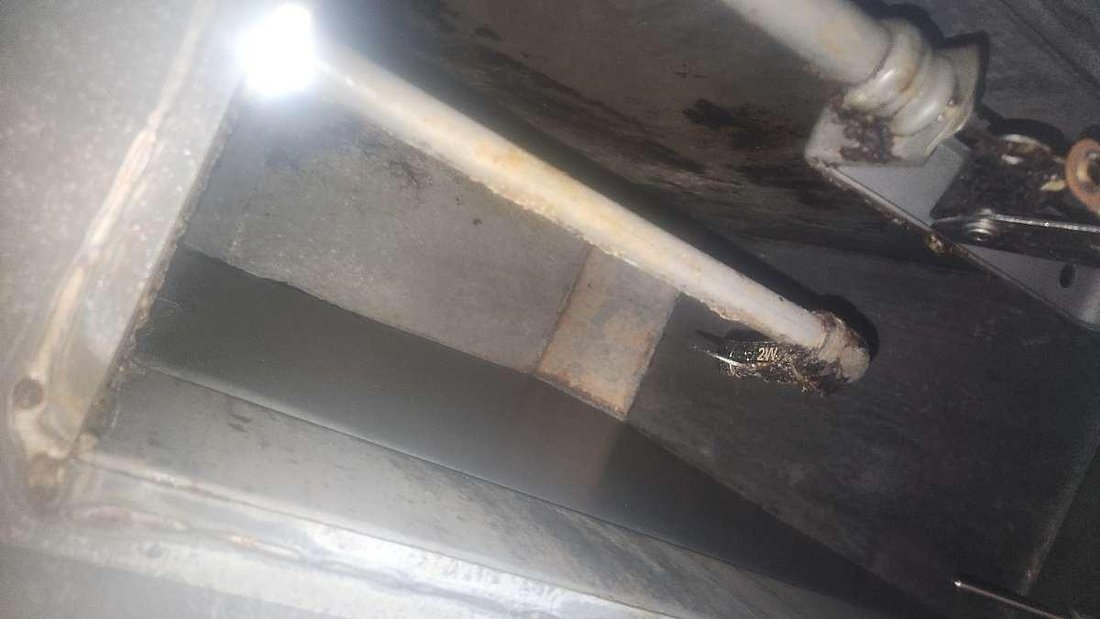
What we foundThe exhaust duct, the single most likely path for a grease fire to travel, had no suppression nozzle. The system could fire over the cookline and still let a fire run up an unprotected duct.
What we installedWe installed a 2W-C duct nozzle and brought the duct and plenum into NFPA 17A coverage, then verified the detection and actuation across the whole system.
OutcomeThe duct is now protected and the system covers the whole hazard, not just the cooking surface.
Reviews
What Dallas-Fort Worth Facility Managers Say About Our Installations
“I had a very positive experience with Boss Fire Protection. They remained on top of their work.”
MikeLocal Guide, Google
“John did our remodel on the fire suppression system in the kitchen. He was very informative on the process.”
RamezGoogle review
“Came in, fixed our issue in no time. Knows their stuff, that’s for sure. Thanks Boss Fire Protection for taking care of Aspen Catering.”
Aspen CateringGoogle review
Common Questions
Fire Suppression Installation FAQs
How long does a commercial fire suppression system installation take?
A single-hood kitchen is usually a one-day install, plus the commissioning test once the city schedules it. Larger or multi-hood kitchens take longer. We size the system, set the hardware, tie in the shutoffs, and coordinate the fire-marshal test so you open on time.
Do you pull the permit and handle the fire-marshal commissioning?
Yes. We pull the city permit, build to NFPA 96, UL 300, and 17A, and run the hood-on commissioning test with your local fire marshal. You get a documented, tagged system that passes the first time.
Which fire suppression system should I install, ProTex, Pyro-Chem, Lehavot, or CaptiveAire?
It depends on your kitchen. ProTex II is flexible and proven, which makes it a strong fit for restaurants and food trucks. Pyro-Chem Kitchen Knight II is a widely used pre-engineered system that adapts to most layouts. Lehavot is a solid UL 300 option, and CaptiveAire is a newer, monitored system that pairs with CaptiveAire hoods. We will spec the right one for your layout and budget.
Can you install a fire suppression system in a food truck or concession trailer?
Yes. Mobile kitchens are one of our specialties. A food truck galley is tight, so we size a UL 300 wet-chemical system that clears the appliances and stays in position on the road, then tag it so you can pass your health and fire inspections.
Do you tie the system into the gas and electric shutoff?
Always. NFPA 96 requires the system to drop fuel and power to the appliances when it actuates. We tie in the mechanical gas valve and the electric shutoff and test them as part of every install, never skipped to save time.
Can you replace or upgrade an old non-compliant system?
Yes. Retrofits are a big part of what we do. If your system is pre-UL 300, has mixed-brand parts, or leaves a duct or appliance uncovered, we design and install a compliant replacement and bring the whole hazard into NFPA 17A coverage.
Get a Custom Installation Quote for Your Dallas-Fort Worth Kitchen
Every install is different, so we quote each one to your kitchen. Tell us about the cookline, the appliances, and whether it is a new build or a retrofit, and we will spec the right system and put a price in writing before any work starts. Boss Fire installs across all four DFW metro counties, Denton, Dallas, Tarrant, and Collin. Cities we serve include Dallas, Fort Worth, and Plano, plus the surrounding metroplex. See all DFW service areas.