Select the Most Appropriate Fire Alarm Technology for Your Structure
Selecting the appropriate fire alarm technology is certainly not an easy task nowadays. It can be said that when taking into account the advancement of buildings along with the implementation of stricter fire safety measures, the choice of system for your unit could greatly influence your compliance, maintenance cost as well as your overall safety for the long run. Thus, amidst all these changes in detection, monitoring, and communication, which one really is the best fire alarm system for your needs?
One option that you may consider is evaluating your alternatives through an A/B testing which is a method commonly utilized in marketing but also very effective in making safety tech decisions. As opposed to selecting a better option by guesswork, you will be at a position to directly compare the two best choices that are very close in performance. Consequently, you will be able to consider the characteristics, reliability, maintenance requirements, and general effectiveness in real building conditions.
We will consequently take you through an A/B comparison of the two most popular fire alarm systems of today in our post: Conventional Wired Fire Alarms (Option A) and Intelligent Wireless Fire Alarms (Option B). After reading this, you will know which system is the best fit for your building and operational requirements.
Why Is A/B Testing Approach Recommended For Fire Alarm Selection?
Fire alarm systems represent a significant investment that would affect all aspects of building safety over a long time. The use of an A/B comparison will allow you to:
– Concentrate on differences that can be measured
– Get to know the performance of the system under actual conditions
– Point out concealed installation or maintenance expenses
– Verify that the system meets both usage and compliance conditions
– Come up with a decision that is not based on assumptions but rather on fact
Therefore, this method would make the entire selection process to be open, fair, and customized to your building needs.
Traditional Wired Fire Alarm Systems
Wired fire alarms have been used in the industry for many years and they still remain the most reliable choice. These systems connect main panels, sensors, and alarm devices through physical wiring.
Strengths
Very Reliable and Stable: These systems generally have the minimum possible noise since everything goes through a special wired network.
Very Few False Alarms: Since wired systems are not as easily disrupted in signal as wireless systems, there will be less false triggering.
Perfect for Big, Constant Buildings: Wired alarms are typical in office buildings, warehouses, hospitals, and schools, mainly because of their very good performance.
Long System Life: Wired systems are usually able to last longer and are easier to maintain in a controlled environment.
Limitations
Installation is invasive and requires construction work
Retrofitting is expensive
Wiring adds complexity in remodels or layout changes
Maintenance can be slower when wiring faults occur
Wired systems are very reliable, but not always adaptable.
Smart Wireless Fire Alarm Systems
Wireless fire alarm systems are now the modern facilities’ top choice. The reason being is that they employ radio signals that are encrypted instead of using wires.
Strengths
Fast Installation & No Disruption: Using no wiring means that the labor cost will be less, the installation will be faster and will interfere the least with the running of the building.
High Flexibility: They are perfect for places that are complicated, not regular-shaped, or expanding, such as hotels, old buildings, and multi-tenant buildings.
Smart Monitoring: Wireless smart alarms have the ability to continuously running their own diagnostics, checking battery condition, checking signal strength, and reporting automatically.
Effortlessly Scalable: Pairing a new device is all it takes to add one—companies that are growing will find this aspect to be very useful.
Limitations
Impact on the device operation due to need for battery changes every now and then
In rare cases, signal interference can occur.
The requirements for wireless fire alarms must comply with specific standards for wireless communication.
Wireless fire alarms are a good option for providing movement, new features, and easier handling.
Which Fire Alarm Technology is Most Suitable for You?
The overall layout of your building, its age, intended use, and future changes are the factors that will point out the best choice.
Select Wired (A) if you require:
– The utmost reliability
– Stability for a long period
– Low incidence of false alarm
– A system suitable for a fixed, permanent structure
Select Wireless (B) if you prefer:
– Quick installation
– Smart monitoring
– Expansion with flexibility
– Least disruption to the building
– Cutting-edge analytics and diagnostics
It is possible for both systems to be fully compliant and very efficient if they are installed by a professional and if there is a proper routine inspection schedule.
Final Verdict: Allow the A/B Test to Direct Your Decision
Fire alarm systems are not interchangeable things. The main concern is picking a technology that now works for your building, and will still work for your future needs. A/B testing-type approach opens up new ways of deciding the objectively evaluated features, understanding the long-term consequences, and finally, the precious investment of the safety and compliance-enhancing system.
If you are in doubt about which option is the best, consulting a professional will help you. Fire protection companies like Boss Fire Protection are capable of evaluating your building type, existing infrastructure, and regulatory demands in order to recommend the best fire alarm solution for your specific environment.
[vc_row][vc_column][vc_column_text]Due to the current pandemic, business owners are being forced to make extreme budget cuts to keep their doors open, their staff employed, and their bills paid. No other industry has been hit harder than the Food and Beverage. The restrictions placed on in-store dining has left business owners reinventing […]
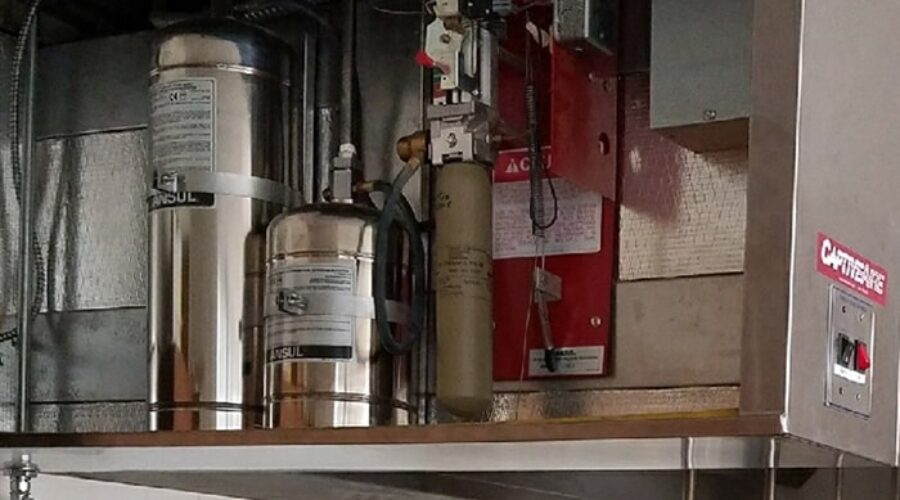
Boss Fire Protection takes pride in educating the hospitality industry about the importance and function of their fire safety systems. We created a series to introduce and explain all elements of your facilities fire suppression system. It is beginner friendly and will empower anyone with a working knowledge and vocabulary […]
We wanted to put together a video showing how the fire suppression system operates in you commercial cooking facility and what to look for in your inspections that are performed every six months. We hope this helps educate your staff and empowers you to manage your systems properly. Check out […]
One of the most vital components in you commercial kitchen, has the most mystery behind it. Boss Fire Protection would like to take the mystery out of commercial fire safety by empowering you with the knowledge necessary to manage your systems properly. use our beginner friendly resources to educate your […]
Of the fires studied by the NFPA, more than 59 percent started in the kitchen, a fact that underscores how important understanding and implementing these best practices for fire safety really are. We will describe several fire safety best practices in three primary areas – preventative maintenance, good housekeeping, and employee […]
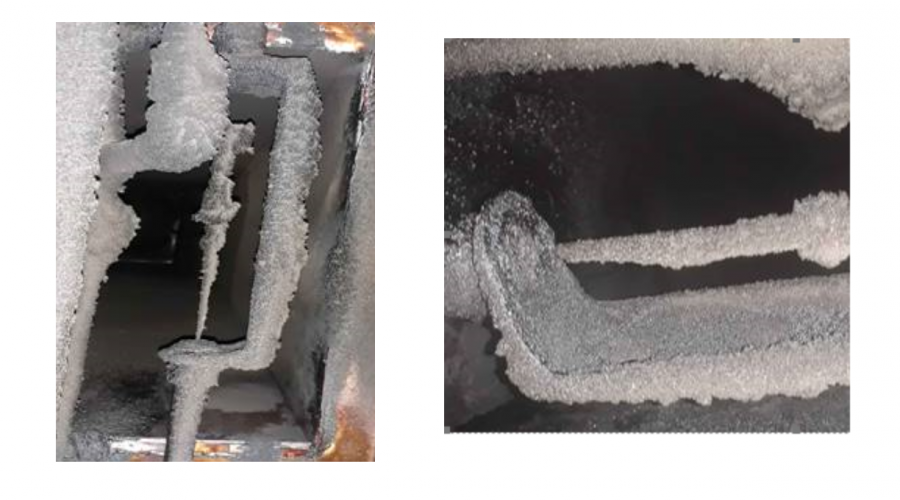
Let’s face it, most restaurant managers don’t like dealing with their Kitchen Exhaust Cleaning providers. It’s a necessary evil and an invasive service process. It requires paying a manager to stay with the provider through a lengthy process. Unfortunately, it must be done to ensure that the system is maintained […]
A restaurant fire suppression system is a mandatory safety item in all restaurant kitchens, and for a very good reason. A fire can cause a catastrophic loss, causing everything you have worked so hard for to burn to the ground in minutes. Semi Annual inspections are essential in keeping your […]
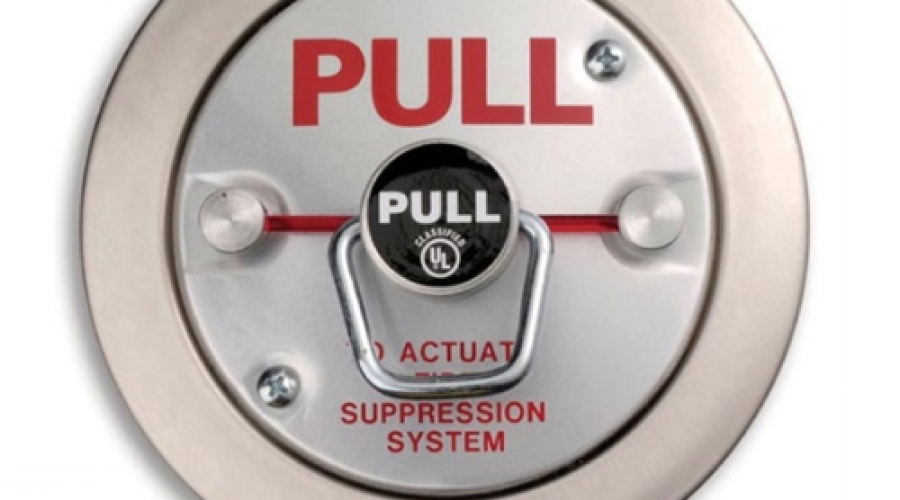
One of the most important devices on your fire suppression system is the pull station. This is the manual means of operation for the employees or business owners to set off the fire suppression system in case of a fire. The remote pull station is mounted on the path of […]
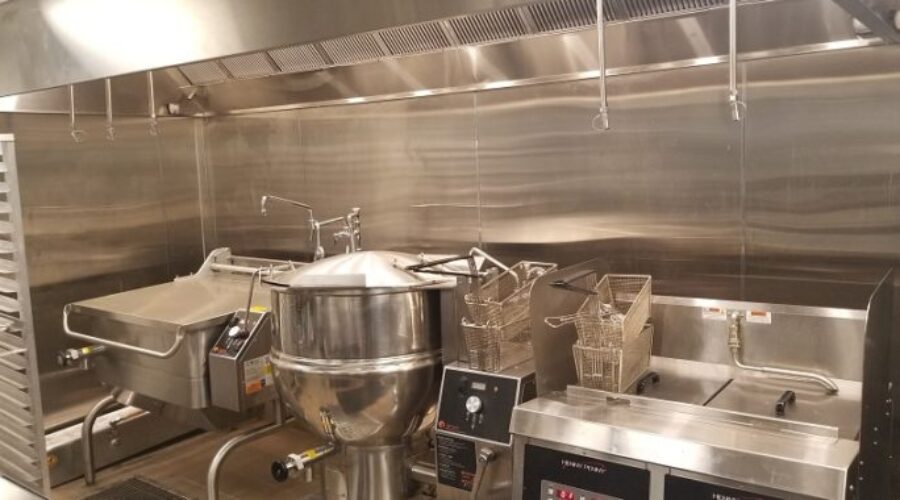
As a restaurant grows and expands, the kitchen grows too. Suddenly, the fryers aren’t big enough, and more cooking gadgets are needed. So, the restaurant buys new equipment and starts using it. The problem is, if your existing fire protection system isn’t designed for it or can’t handle the new […]
Your kitchen’s fire suppression system has a special way of detecting fires or excessive heat behind the vent hood filters. This important detection line is the only automatic way your vent hood wet chemical system knows when to kick in and keep your kitchen safe. Trained technicians are the ones […]