Select the Most Appropriate Fire Alarm Technology for Your Structure
Selecting the appropriate fire alarm technology is certainly not an easy task nowadays. It can be said that when taking into account the advancement of buildings along with the implementation of stricter fire safety measures, the choice of system for your unit could greatly influence your compliance, maintenance cost as well as your overall safety for the long run. Thus, amidst all these changes in detection, monitoring, and communication, which one really is the best fire alarm system for your needs?
One option that you may consider is evaluating your alternatives through an A/B testing which is a method commonly utilized in marketing but also very effective in making safety tech decisions. As opposed to selecting a better option by guesswork, you will be at a position to directly compare the two best choices that are very close in performance. Consequently, you will be able to consider the characteristics, reliability, maintenance requirements, and general effectiveness in real building conditions.
We will consequently take you through an A/B comparison of the two most popular fire alarm systems of today in our post: Conventional Wired Fire Alarms (Option A) and Intelligent Wireless Fire Alarms (Option B). After reading this, you will know which system is the best fit for your building and operational requirements.
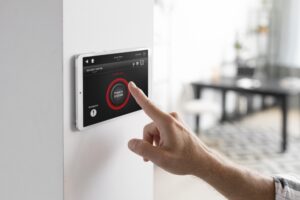
Why Is A/B Testing Approach Recommended For Fire Alarm Selection?
Fire alarm systems represent a significant investment that would affect all aspects of building safety over a long time. The use of an A/B comparison will allow you to:
– Concentrate on differences that can be measured
– Get to know the performance of the system under actual conditions
– Point out concealed installation or maintenance expenses
– Verify that the system meets both usage and compliance conditions
– Come up with a decision that is not based on assumptions but rather on fact
Therefore, this method would make the entire selection process to be open, fair, and customized to your building needs.
Traditional Wired Fire Alarm Systems
Wired fire alarms have been used in the industry for many years and they still remain the most reliable choice. These systems connect main panels, sensors, and alarm devices through physical wiring.
Strengths
Very Reliable and Stable: These systems generally have the minimum possible noise since everything goes through a special wired network.
Very Few False Alarms: Since wired systems are not as easily disrupted in signal as wireless systems, there will be less false triggering.
Perfect for Big, Constant Buildings: Wired alarms are typical in office buildings, warehouses, hospitals, and schools, mainly because of their very good performance.
Long System Life: Wired systems are usually able to last longer and are easier to maintain in a controlled environment.
Limitations
Installation is invasive and requires construction work
Retrofitting is expensive
Wiring adds complexity in remodels or layout changes
Maintenance can be slower when wiring faults occur
Wired systems are very reliable, but not always adaptable.
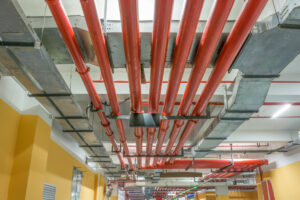
Smart Wireless Fire Alarm Systems
Wireless fire alarm systems are now the modern facilities’ top choice. The reason being is that they employ radio signals that are encrypted instead of using wires.
Strengths
Fast Installation & No Disruption: Using no wiring means that the labor cost will be less, the installation will be faster and will interfere the least with the running of the building.
High Flexibility: They are perfect for places that are complicated, not regular-shaped, or expanding, such as hotels, old buildings, and multi-tenant buildings.
Smart Monitoring: Wireless smart alarms have the ability to continuously running their own diagnostics, checking battery condition, checking signal strength, and reporting automatically.
Effortlessly Scalable: Pairing a new device is all it takes to add one—companies that are growing will find this aspect to be very useful.
Limitations
Impact on the device operation due to need for battery changes every now and then
In rare cases, signal interference can occur.
The requirements for wireless fire alarms must comply with specific standards for wireless communication.
Wireless fire alarms are a good option for providing movement, new features, and easier handling.
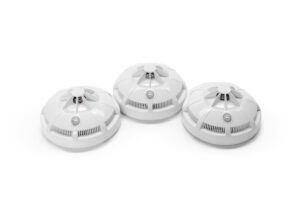
Which Fire Alarm Technology is Most Suitable for You?
The overall layout of your building, its age, intended use, and future changes are the factors that will point out the best choice.
Select Wired (A) if you require:
– The utmost reliability
– Stability for a long period
– Low incidence of false alarm
– A system suitable for a fixed, permanent structure
Select Wireless (B) if you prefer:
– Quick installation
– Smart monitoring
– Expansion with flexibility
– Least disruption to the building
– Cutting-edge analytics and diagnostics
It is possible for both systems to be fully compliant and very efficient if they are installed by a professional and if there is a proper routine inspection schedule.
Final Verdict: Allow the A/B Test to Direct Your Decision
Fire alarm systems are not interchangeable things. The main concern is picking a technology that now works for your building, and will still work for your future needs. A/B testing-type approach opens up new ways of deciding the objectively evaluated features, understanding the long-term consequences, and finally, the precious investment of the safety and compliance-enhancing system.
If you are in doubt about which option is the best, consulting a professional will help you. Fire protection companies like Boss Fire Protection are capable of evaluating your building type, existing infrastructure, and regulatory demands in order to recommend the best fire alarm solution for your specific environment.
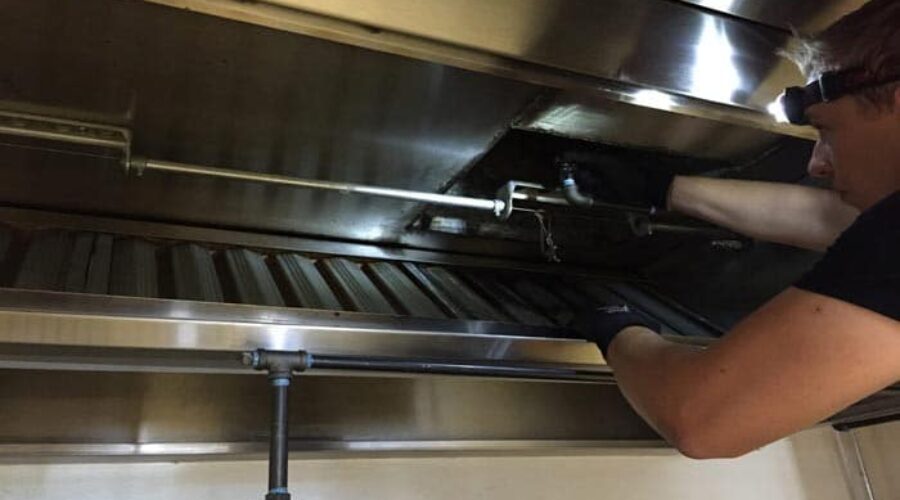
Making sure your kitchen’s fire suppression system works right is a big deal for business owners. There’s this important part called the Nozzle Cap that stops grease from piling up in the system. If these caps aren’t on properly, your system might not work if there’s a fire. When us […]
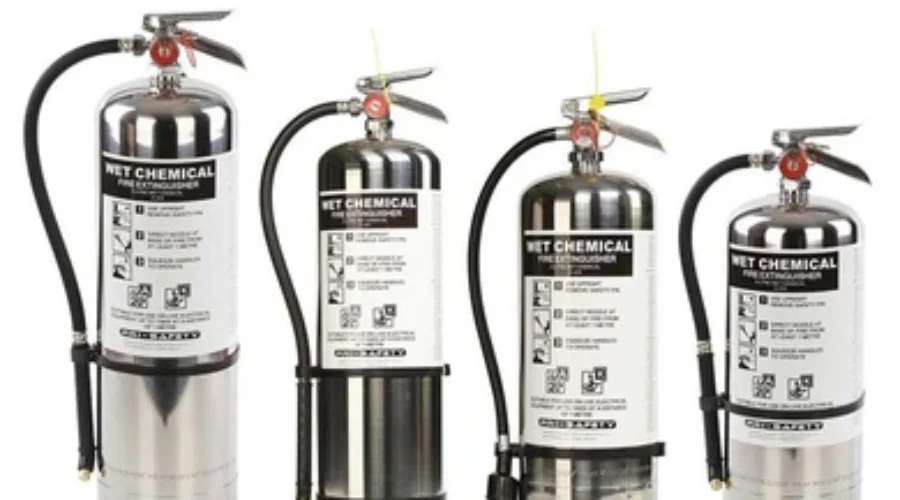
Understanding the K-Class Fire Extinguisher is crucial for your commercial kitchen’s safety. It’s not just a tool; it’s a key part of training your staff on what to do during a grease fire. Using the wrong extinguisher can make the fire worse, causing more damage. The K-Class extinguisher is like […]
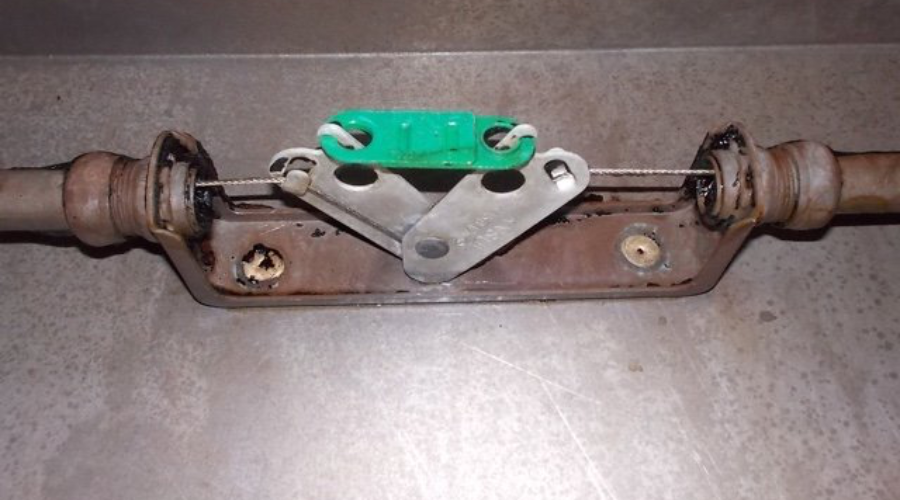
Inspecting fusible links during your semi-annual Fire Suppression Inspection is crucial. Unfortunately, it’s one of the most overlooked tasks during service. This can happen because of the high temperatures of the appliances or the regular activities of your system while the inspection is ongoing. However, neglecting to replace these links […]
For a long time, Fire Suppression Inspections have been done using paper reports. But now, there’s something new that’s changing the game: Photo Documented Reports. These reports are taking fire safety to a whole new level by including pictures of each inspection. Why is this important? Well, it’s all about […]