Select the Most Appropriate Fire Alarm Technology for Your Structure
Selecting the appropriate fire alarm technology is certainly not an easy task nowadays. It can be said that when taking into account the advancement of buildings along with the implementation of stricter fire safety measures, the choice of system for your unit could greatly influence your compliance, maintenance cost as well as your overall safety for the long run. Thus, amidst all these changes in detection, monitoring, and communication, which one really is the best fire alarm system for your needs?
One option that you may consider is evaluating your alternatives through an A/B testing which is a method commonly utilized in marketing but also very effective in making safety tech decisions. As opposed to selecting a better option by guesswork, you will be at a position to directly compare the two best choices that are very close in performance. Consequently, you will be able to consider the characteristics, reliability, maintenance requirements, and general effectiveness in real building conditions.
We will consequently take you through an A/B comparison of the two most popular fire alarm systems of today in our post: Conventional Wired Fire Alarms (Option A) and Intelligent Wireless Fire Alarms (Option B). After reading this, you will know which system is the best fit for your building and operational requirements.
Why Is A/B Testing Approach Recommended For Fire Alarm Selection?
Fire alarm systems represent a significant investment that would affect all aspects of building safety over a long time. The use of an A/B comparison will allow you to:
– Concentrate on differences that can be measured
– Get to know the performance of the system under actual conditions
– Point out concealed installation or maintenance expenses
– Verify that the system meets both usage and compliance conditions
– Come up with a decision that is not based on assumptions but rather on fact
Therefore, this method would make the entire selection process to be open, fair, and customized to your building needs.
Traditional Wired Fire Alarm Systems
Wired fire alarms have been used in the industry for many years and they still remain the most reliable choice. These systems connect main panels, sensors, and alarm devices through physical wiring.
Strengths
Very Reliable and Stable: These systems generally have the minimum possible noise since everything goes through a special wired network.
Very Few False Alarms: Since wired systems are not as easily disrupted in signal as wireless systems, there will be less false triggering.
Perfect for Big, Constant Buildings: Wired alarms are typical in office buildings, warehouses, hospitals, and schools, mainly because of their very good performance.
Long System Life: Wired systems are usually able to last longer and are easier to maintain in a controlled environment.
Limitations
Installation is invasive and requires construction work
Retrofitting is expensive
Wiring adds complexity in remodels or layout changes
Maintenance can be slower when wiring faults occur
Wired systems are very reliable, but not always adaptable.
Smart Wireless Fire Alarm Systems
Wireless fire alarm systems are now the modern facilities’ top choice. The reason being is that they employ radio signals that are encrypted instead of using wires.
Strengths
Fast Installation & No Disruption: Using no wiring means that the labor cost will be less, the installation will be faster and will interfere the least with the running of the building.
High Flexibility: They are perfect for places that are complicated, not regular-shaped, or expanding, such as hotels, old buildings, and multi-tenant buildings.
Smart Monitoring: Wireless smart alarms have the ability to continuously running their own diagnostics, checking battery condition, checking signal strength, and reporting automatically.
Effortlessly Scalable: Pairing a new device is all it takes to add one—companies that are growing will find this aspect to be very useful.
Limitations
Impact on the device operation due to need for battery changes every now and then
In rare cases, signal interference can occur.
The requirements for wireless fire alarms must comply with specific standards for wireless communication.
Wireless fire alarms are a good option for providing movement, new features, and easier handling.
Which Fire Alarm Technology is Most Suitable for You?
The overall layout of your building, its age, intended use, and future changes are the factors that will point out the best choice.
Select Wired (A) if you require:
– The utmost reliability
– Stability for a long period
– Low incidence of false alarm
– A system suitable for a fixed, permanent structure
Select Wireless (B) if you prefer:
– Quick installation
– Smart monitoring
– Expansion with flexibility
– Least disruption to the building
– Cutting-edge analytics and diagnostics
It is possible for both systems to be fully compliant and very efficient if they are installed by a professional and if there is a proper routine inspection schedule.
Final Verdict: Allow the A/B Test to Direct Your Decision
Fire alarm systems are not interchangeable things. The main concern is picking a technology that now works for your building, and will still work for your future needs. A/B testing-type approach opens up new ways of deciding the objectively evaluated features, understanding the long-term consequences, and finally, the precious investment of the safety and compliance-enhancing system.
If you are in doubt about which option is the best, consulting a professional will help you. Fire protection companies like Boss Fire Protection are capable of evaluating your building type, existing infrastructure, and regulatory demands in order to recommend the best fire alarm solution for your specific environment.
One failed fire inspection can shut your doors, sometimes the same day. For restaurant owners, hotel managers, and commercial facility operators across Texas, a failed fire inspection isn’t just an inconvenience. It can mean forced closures, steep fines, voided insurance, and serious liability exposure. Here’s what you need to know; […]
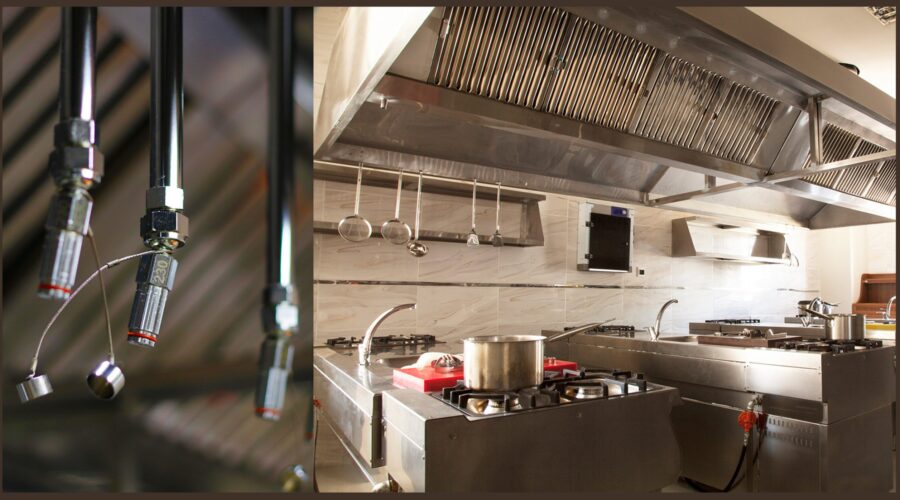
Client Comparison Guide This guide provides a high-level, client-safe comparison of common UL 300 commercial cooking fire suppression systems. All listed systems are approved for commercial kitchen use when properly designed, installed, and maintained. Differences typically affect cost, flexibility, serviceability, and long-term convenience rather than basic fire-extinguishing ability. Fire […]
For commercial property owners and facility managers, maintaining reliable fire protection systems isn’t optional; it’s a legal requirement and a critical safety responsibility. When equipment malfunctions or fails inspection, you face an important question: should you repair the existing system or invest in a full replacement? Making the right choice […]
Every day, restaurant kitchens across the country face one of the most dangerous workplace hazards- fire. With open flames, high-temperature cooking equipment, and grease-laden vapors filling the air, commercial kitchens are environments where fires can start in seconds and spread rapidly. For restaurant owners, kitchen managers, and hospitality professionals, understanding […]
Select the Most Appropriate Fire Alarm Technology for Your Structure Selecting the appropriate fire alarm technology is certainly not an easy task nowadays. It can be said that when taking into account the advancement of buildings along with the implementation of stricter fire safety measures, the choice of system for […]
Don’t Ignore Compliance: 2026 Fire Code Updates Fire safety norms are to be revamped to their fullest in 2026. The new rules will cater to the needs of modern buildings, dependence on electric power, new materials, and, on top of that, the increasing number of preventable fires. Thus, these regulations […]
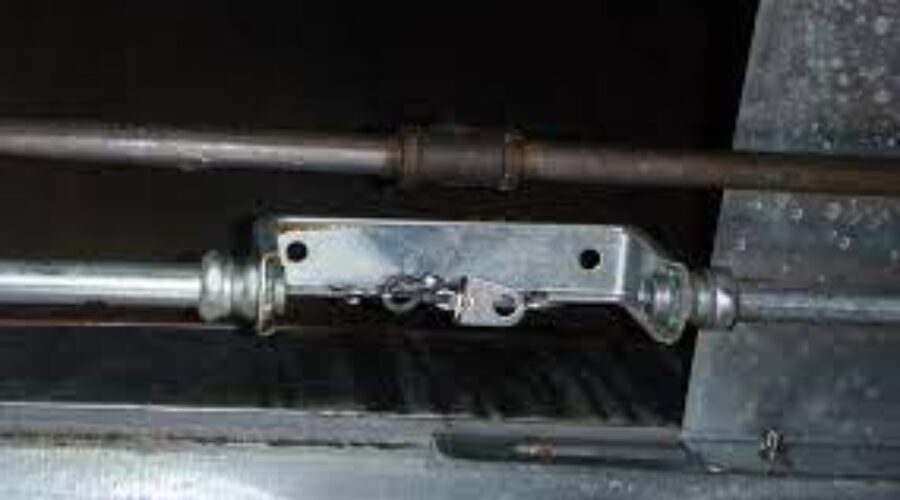
Discover the critical role of fusible links in ensuring fire safety and why their regular inspection is paramount for protecting your establishment. It’s crucial to inspect fusible links during your Fire Suppression Inspection every six months. Unfortunately, this task often gets forgotten, mainly because the kitchen can get really hot […]
Is your commercial kitchen equipped to handle the heat? Discover the essential keys to fire safety that every restaurant owner needs to know to protect their business, their staff, and their customers. Whether you’re running a restaurant, a cafeteria, or any other kind of food business, keeping your kitchen safe […]
For an extended period, Fire Suppression Inspections have been reliant on traditional paper reports. However, a transformative shift is underway with the introduction of Photo Documented Reports, elevating fire safety practices. These reports go beyond conventional methods by incorporating visual evidence through photographs taken during each inspection. The significance lies […]
New Year, New Resolutions: As we step into 2024, we extend our warmest wishes for a year filled with prosperity and safety. At Boss Fire Protection, we are excited about the opportunities this new year presents, and we remain committed to being your dedicated partner in ensuring fire safety for […]