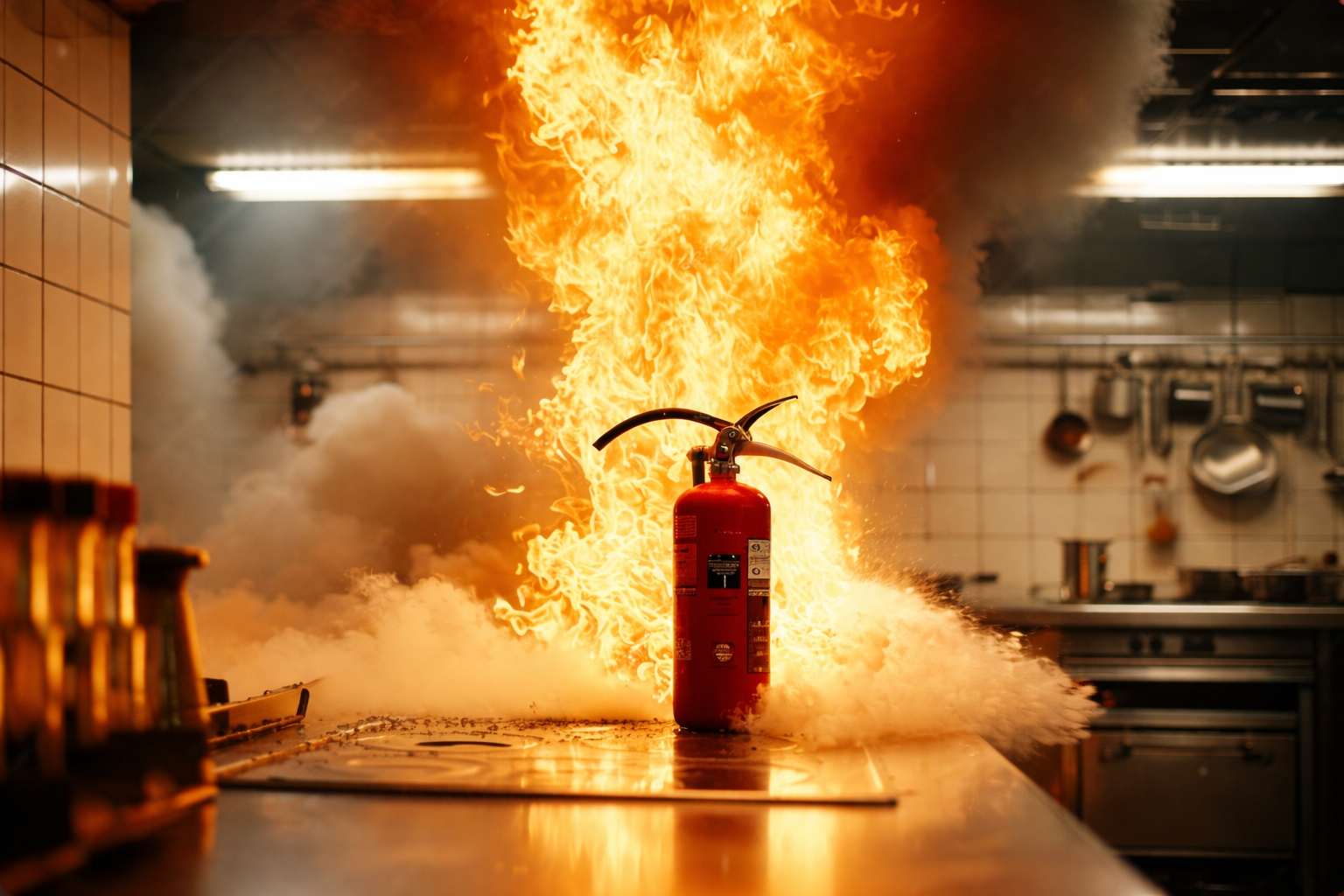
This guide provides a high-level, client-safe comparison of common UL 300 commercial cooking fire suppression systems. All listed systems are approved for commercial kitchen use when properly designed, installed, and maintained. Differences typically affect cost, flexibility, serviceability, and long-term convenience rather than basic fire-extinguishing ability.
Manufacturer Breakdown - Pros, Cons, and What They Mean for You
Every system below is ranked from our field experience servicing, inspecting, and repairing them in Dallas-Fort Worth commercial kitchens. These systems exist because, as the U.S. Fire Administration reports, cooking was the leading cause of restaurant fires from 2011 to 2013, accounting for 64% of them.
64%
The share of U.S. restaurant fires from 2011 to 2013 that were caused by cooking.
Sourced to U.S. Fire Administration, Restaurant Fires snapshot
Ranked 1st - CaptiveAire CORE
- Water-based total coverage approach
- Integrates well with CaptiveAire hoods
- Growing rapidly in the industry
- Can be quoted with exhaust hood installation for a consolidated approach to new restaurant build-outs or renovations
- Strong integration when the kitchen is fully CaptiveAire
- Overlapping, total-coverage concept
- Good fit for controlled environments
- Service ecosystem is limited
- Water-based system means more components to monitor
- Owners feel “locked in” to specific providers
Best suited for kitchens already using CaptiveAire hoods. Requires knowledgeable service to avoid unnecessary downtime.
Boss Fire services CaptiveAire CORE systems, including hood wash-down and pollution control units - see our CaptiveAire page.
Ranked 2nd - Amerex KP
- Zone Defense allows appliance movement
- Strong long-term cost control for budgeting
- Most forgiving system when a kitchen changes appliance arrangement or sizes
- Predictable inspections and maintenance, which means fewer surprise invoices
- Must be designed correctly to gain flexibility
- Mid-range brand recognition
- Installation is not cheap
- Mid-level service provider network
- Ideal for kitchens that change equipment often
- When designed properly, it can reduce future modification costs
- Mid-range recognition from fire marshals and insurance providers
Boss Fire services and inspects Amerex fire suppression systems across Dallas-Fort Worth.
Ranked 3rd - Ansul R-102
- Widely accepted by fire marshals and insurers
- Large national service network
- Long track record
- Higher initial install and parts replacement costs
- Installation restricted to a certain number of vendors per region
- Often requires changes when appliances move
- Supply chain disruptions from time to time due to demand
Ansul offers confidence and familiarity. It is easy to approve and service, but often costs more over time - especially if kitchen layouts change.
Boss Fire services and inspects ANSUL fire suppression systems across Dallas-Fort Worth.
Ranked 4th - Pyro-Chem Kitchen Knight II
- Strong commercial performance
- Straightforward system logic and clear appliance coverage rules
- Performs well in stable kitchens with fewer appliance layouts or changes
- Well-respected brand
- Local parts warehouse in the DFW area for faster access and service demands
- No restrictions on service providers or distributors. Only requires service companies to get trained and certified
- Predictable inspections with fewer surprise costs
- Some regions (not Texas) have a limited number of providers that are trained and certified
A solid system that performs well, but availability of service companies can vary depending on location.
Boss Fire services, inspects, and installs Pyro-Chem fire suppression systems across Dallas-Fort Worth.
Ranked 5th - Protex Series II
- Straightforward system logic and clear appliance coverage rules
- Performs well in stable kitchens with fewer appliance layouts or changes
- Well-respected brand
- Local parts warehouse in the DFW area for faster access and service demands
- No restrictions on service providers or distributors. Only requires service companies to get trained and certified
- Predictable inspections with fewer surprise costs
- Lower name recognition
- Great system, but depends heavily on the service provider chosen
Often chosen for value. It works well, but some owners prefer more recognizable brands.
Boss Fire services, inspects, and installs ProTex fire suppression systems across Dallas-Fort Worth.
Ranked 6th - Kidde WHDR
- Flexible overlapping coverage
- Widely recognized
- Predictable inspections
- Less maintenance if no changes are made
- Better for bigger exhaust hoods
- Less common in some markets
- Relies on proactive communication with your service provider if changes or additions to appliances occur. Changes can create high repair costs
- Relies on appliance-specific nozzles for fryers, griddles, and char broilers
- Adding back splashes, shelves, or taller equipment can invalidate coverage
Offers flexibility similar to Amerex, but availability depends on regional service providers.
Boss Fire services and inspects Kidde fire suppression systems across Dallas-Fort Worth.
Ranked 7th - Lehavot KitchenShield
- Lower upfront cost
- Designed for installation flexibility
- Great for food truck applications
- Newer technology
- Parts and supplies have to be shipped into the DFW market from Kentucky
- Lower cost can be attractive, but long-term reliability depends heavily on local service availability
- More “moving parts” in the system philosophy means more ways a kitchen change can create a compliance gap unless the provider and owner are proactive and communicative during any operational changes to menu or appliances
Boss Fire services, inspects, and installs Lehavot fire suppression systems across Dallas-Fort Worth.
Ranked 8th - Buckeye Kitchen Mister
- Simplified installation
- Easy-to-identify components
- Service availability is limited in most all regions
- Small changes to kitchen layout can mean big fixes
- Accidental system discharges occur due to improper system maintenance. Very touchy
- A lot of service companies simply do not service these systems
- Designed for installation efficiency
- Works well when supported by a trained local provider. Can be a financial impact to your budget if you do not vet your service provider properly
- Less flexibility to shop competitive pricing due to limited service providers
Boss Fire services and inspects Buckeye fire suppression systems across Dallas-Fort Worth.
Put a Licensed Fire Protection Team on Your Side
Inspections, service, red-tag repair, and new installs for commercial kitchens across Dallas-Fort Worth. Photo-documented work and a written report, every visit.
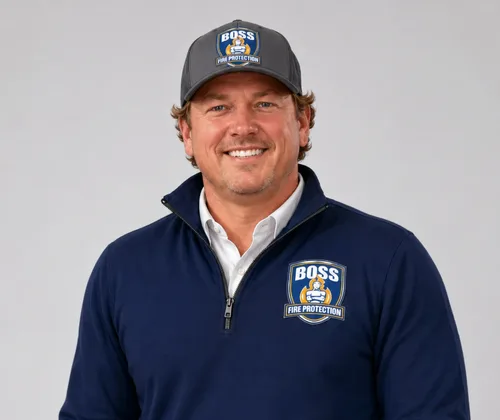
Jeff Ralston is the President of Boss Fire Protection, a Texas-licensed fire suppression company (License ECR-2481913) based in Dallas. He leads a team with over 40 years of combined experience inspecting, servicing, and installing commercial kitchen fire suppression systems and fire extinguishers across Dallas-Fort Worth.
Meet the Boss Fire team →