Texas Licensed Fire Protection Company
Commercial Fire Suppression System Service
in Dallas-Fort Worth, TX
Scheduled NFPA 17A Maintenance That Keeps Your System Charged and Code-Ready Between Inspections
Fusible links, nozzles, cartridges, and tank pressure kept current for restaurants, hotels, hospitals, schools, and corporate kitchens across Dallas, Fort Worth, Arlington, Plano, and Irving. One visit closes the call, with the parts on the truck.
Over 40 years of combined experience. One visit closes the call.
Why It Matters
What Happens When a System Goes Unserviced Between Inspections
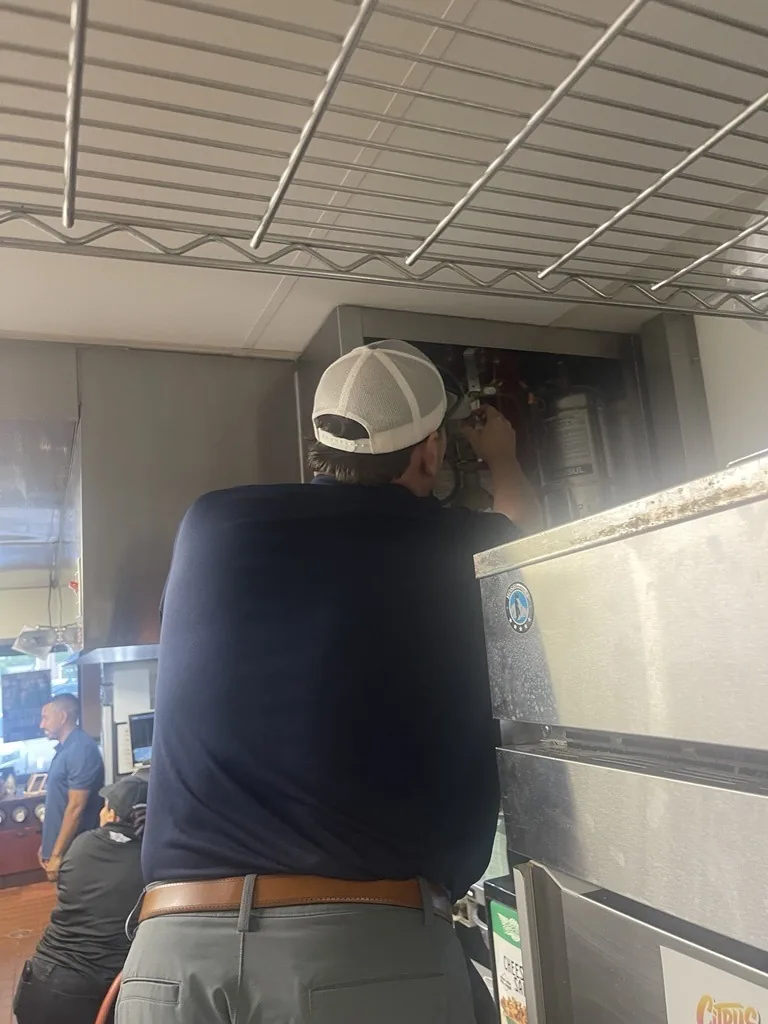
Boss Fire Protection is a Texas State Licensed fire protection company (ECR-2481913) with over 40 years of combined experience servicing commercial fire suppression systems across Dallas-Fort Worth since 2019. An inspection tells you the system is good today. Service is what keeps it good, because the parts that protect a cookline wear out on their own schedule, not yours.

Expired fusible links
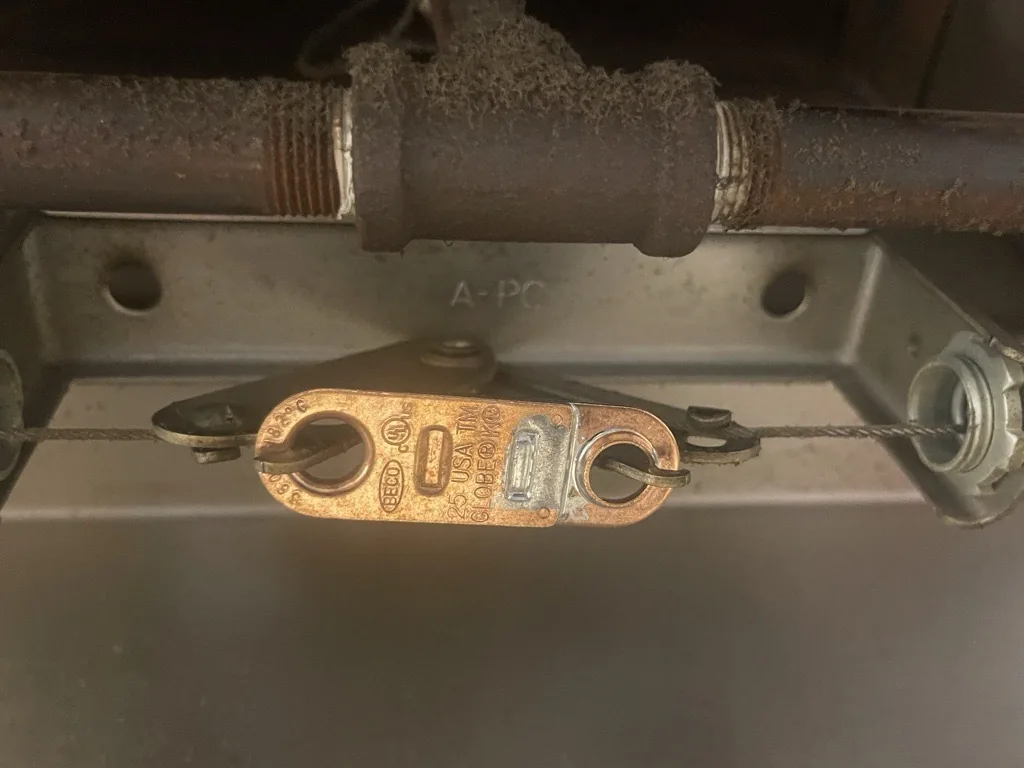
Fusible links carry a date, and they expire whether or not the system has been touched. A link past its date can fail to drop the system when a grease fire starts over the line.

A cylinder that drifts low or empties
A slow leak or a spent cartridge can leave the tank without the pressure to discharge. The bottle looks fine on the wall and has nothing behind it when it actuates.

Clogged or capless nozzles
Grease builds up in an open nozzle and missing blow-off caps let it in. A blocked nozzle cannot put agent where the fire is, so coverage fails at the worst moment.

Failing the next inspection
Every worn part above turns up at your semi-annual inspection. Staying on a service schedule is how you avoid a red tag, a re-inspection fee, and a scramble before you can reopen.
Code Requirements
What NFPA 17A Requires Between Inspections
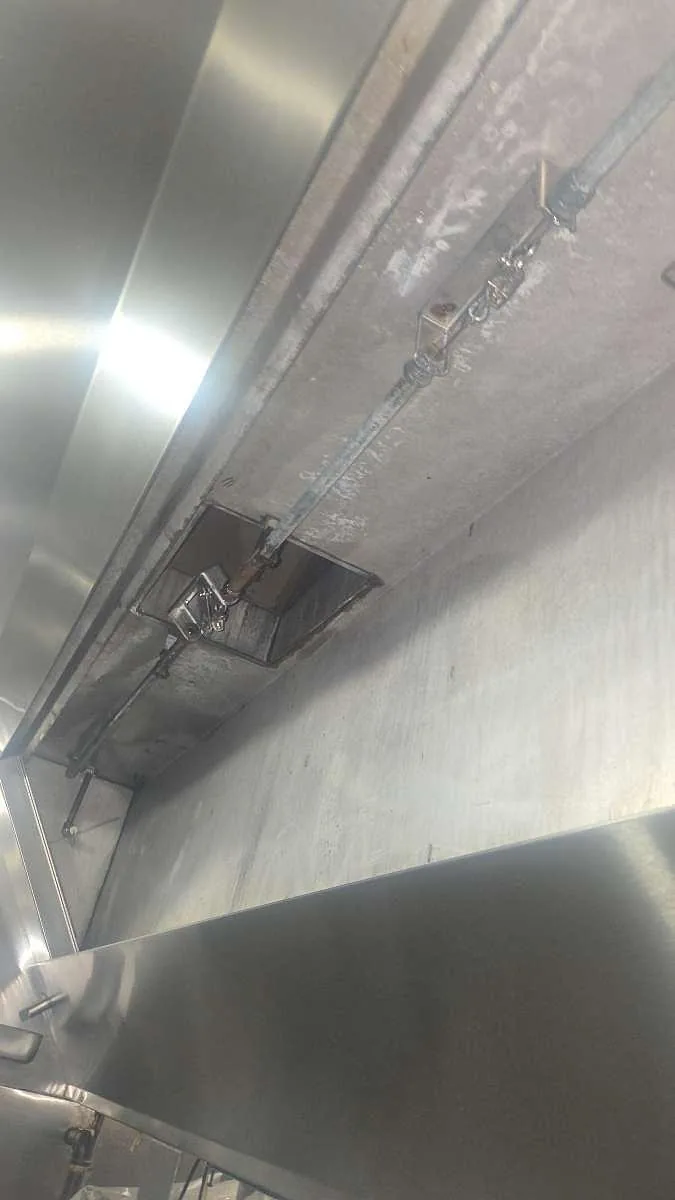
A commercial suppression system is not set-and-forget. Code puts the parts that wear on a maintenance schedule, and service is how each one stays current. Here is what we keep on track, in plain English.
What Service Keeps Current
| Part | What service does | How often |
|---|---|---|
| Fusible links | Inspected and replaced to spec | At least semi-annually |
| Nozzles and blow-off caps | Cleared, capped, and confirmed aimed | Semi-annually |
| Cylinder pressure and cartridge | Checked and brought back to charge | Semi-annually |
| Detection line | Tested end to end for actuation | Semi-annually |
| Manual pull station | Confirmed accessible and functional | Semi-annually |
Boss Fire Protection is Texas State Licensed (ECR-2481913) by the Texas Department of Insurance, State Fire Marshal’s Office. We service your system on the same schedule as your semi-annual inspection.
NFPA 17A
Wet Chemical Extinguishing Systems. Sets the semi-annual maintenance scope, the fusible-link replacement interval, and the testing your system needs between inspections to stay in service.
NFPA 17A source standardNFPA 96
Ventilation Control and Fire Protection of Commercial Cooking Operations. Governs how the suppression system ties into the hood, the gas and electric shutoff, and the manual pull station we verify on each visit.
NFPA 96 source standardUL 300
Fire Testing of Fire Extinguishing Systems for commercial cooking equipment. Service keeps the system serviced as one listed assembly, with matched parts so the UL 300 listing holds.
UL Standards sourceTexas and your AHJ
Texas adopts these codes through the State Fire Marshal and your local fire department. Boss Fire documents each service visit and files records your local fire marshal recognizes.
Texas State Fire MarshalWhat We Do
What a Boss Fire Service Visit Covers
Every service visit follows the same documented path, and we photograph what we find. Here is exactly what we check, part by part.
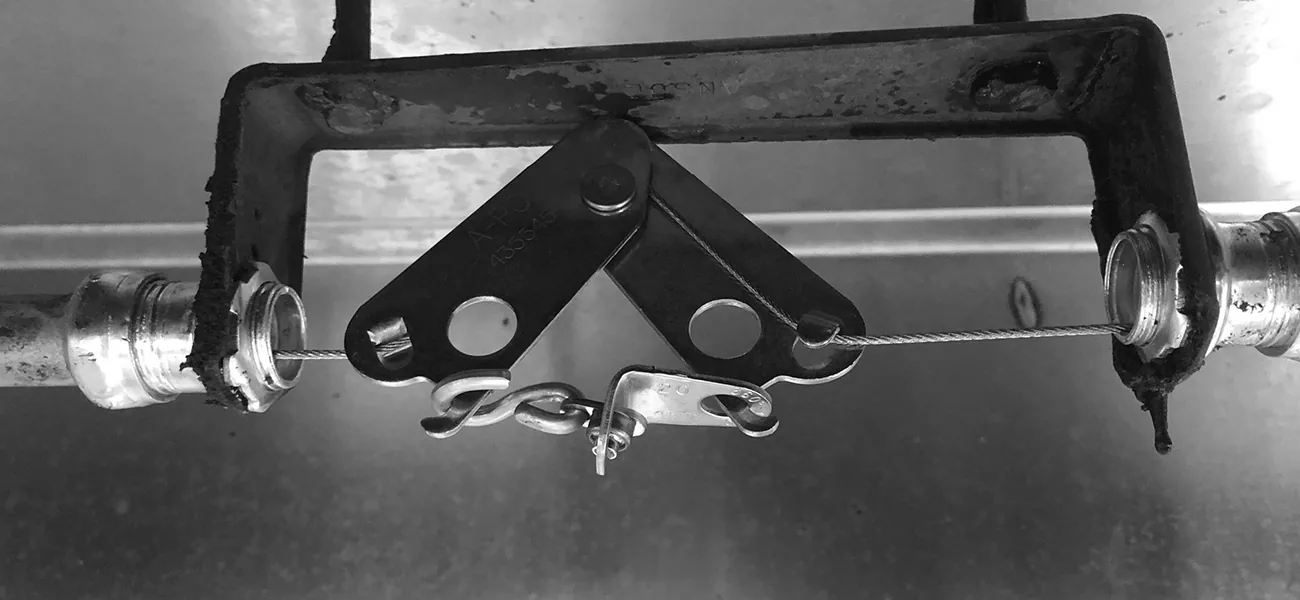
Check and replace fusible links
We check every fusible link against its date and the heat over the line, and replace any that are due so the detection line still drops the system on time.
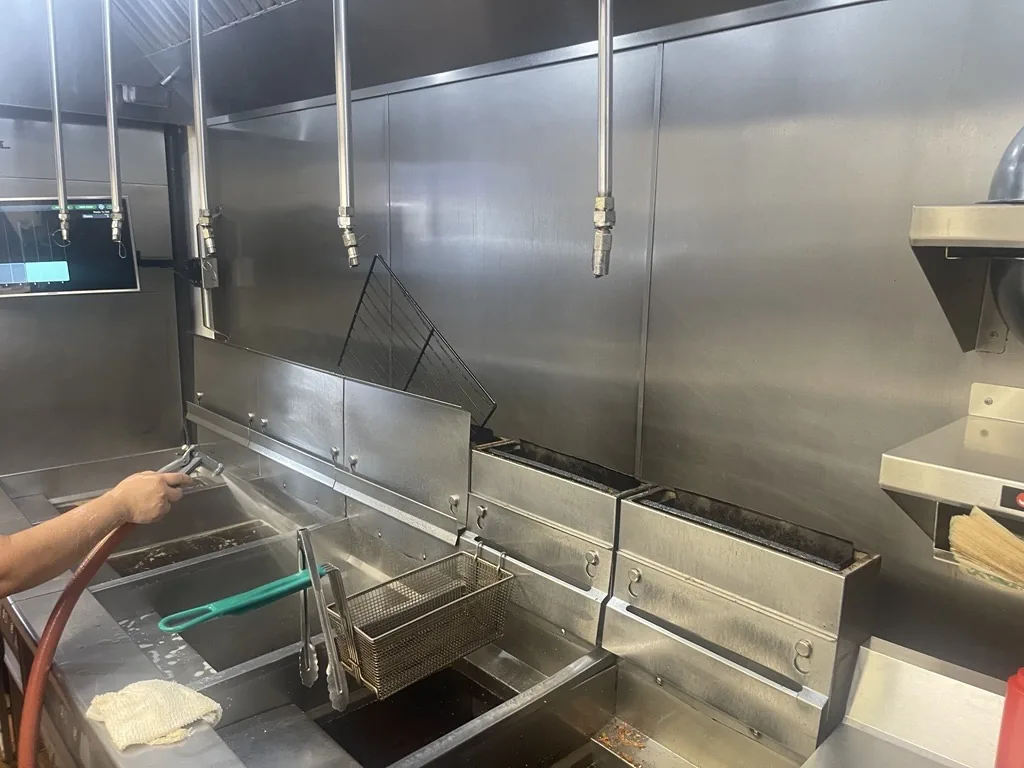
Inspect nozzles, blow-off caps, and coverage
We clear grease from every nozzle, confirm the blow-off caps are in place, and verify each nozzle is still aimed at the appliance it protects.
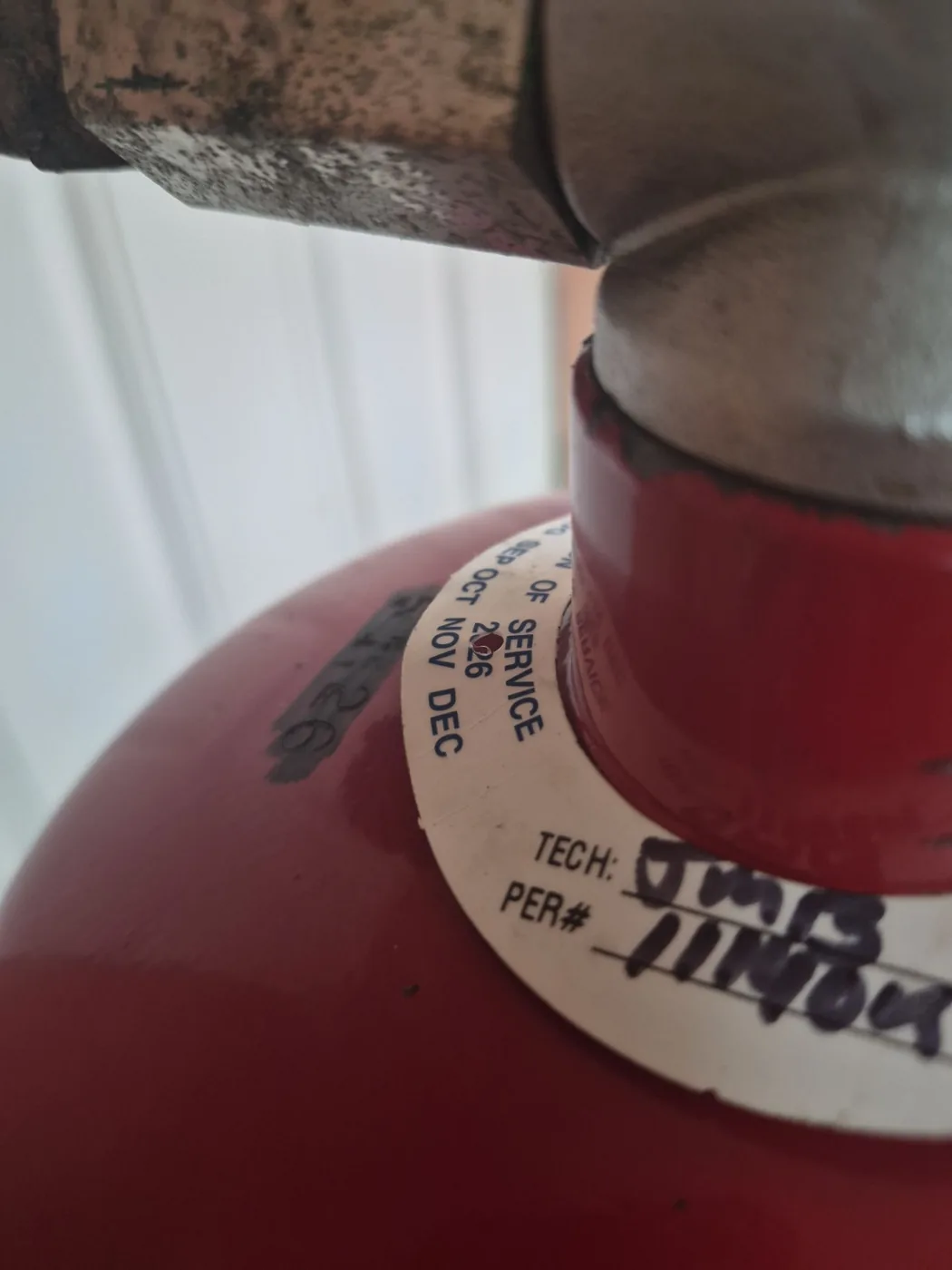
Check cylinder pressure and cartridge
We confirm the agent cylinder is charged and the cartridge is good, so the system has the pressure to discharge when it actuates.
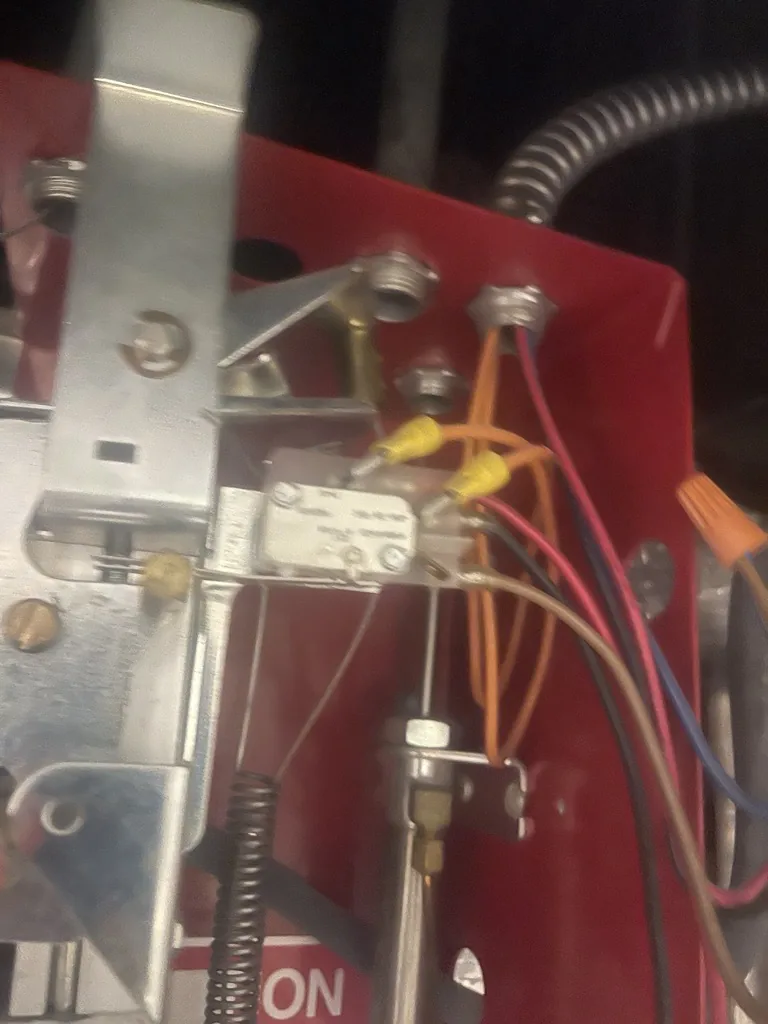
Test the detection line, control head, and pull station
We test the detection line end to end, confirm the control head and microswitch trip correctly, and check that the manual pull station is accessible and works.
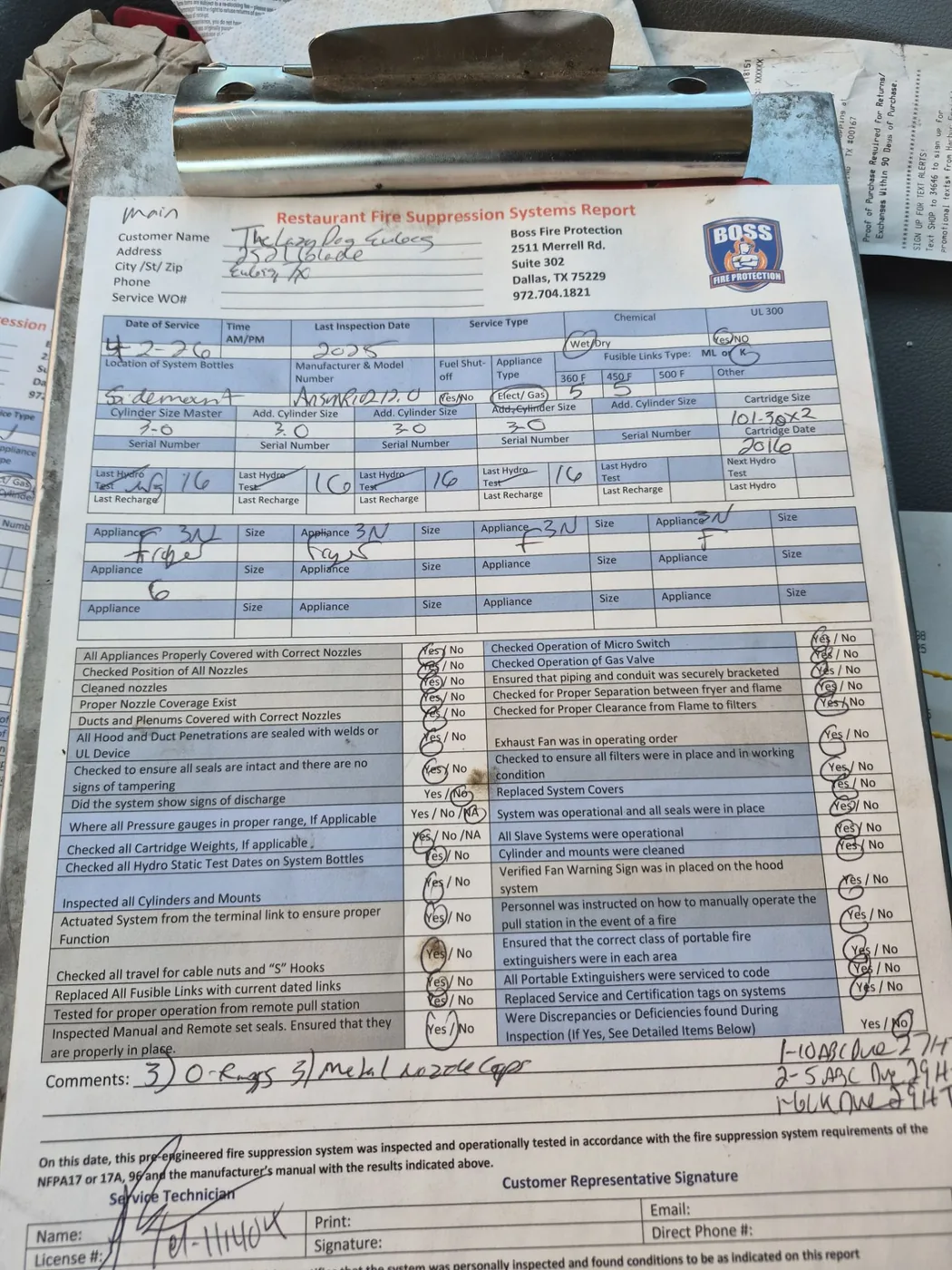
Photo-document and update your records
We photograph the work, log every part we checked or replaced, and update your service record so your fire marshal and insurer have the paper trail.
Every service visit covers, point by point
- Check every fusible link against its date and replace what is due
- Clear grease from each nozzle and confirm the blow-off caps are in place
- Verify each nozzle is still aimed at the appliance it covers
- Confirm the agent cylinder is at full charge
- Check the cartridge and bring the system back to charge
- Test the detection line end to end
- Confirm the control head and microswitch trip correctly
- Verify the manual pull station is accessible and functional
- Confirm the gas and electric shutoff still drop on activation
- Photo-document the work and update your service record
Every service plan is quoted to your kitchen
- Number of systems
- Hoods and nozzles per system
- Brand and parts needed
- How often you want us on a plan
 We quote each site by its systems and parts, never a blind per-visit sticker, and put it in writing before any work begins.
Our Method
The Boss Fire PACTHow we keep your system ready, visit after visit
A service plan is an ongoing relationship, not a one-off call. Every Dallas-Fort Worth system we service is backed by the same four-part commitment.
Photo-Documented
Every visit is photographed into a service record listing each part we checked or replaced, so you always have proof of the work.
Annual Pricing
Both semi-annual inspections and service are quoted up front for the year, so staying compliant never ends in a surprise invoice.
Compliance-Verified
Every visit checks your system against NFPA 96, UL 300, and 17A, performed by a Texas-licensed team (ECR-2481913).
Timely Scheduling
We track your service windows and confirm them around your hours, so the visit comes to you instead of slipping until something fails.
On a Service Plan
What a Boss Fire Service Plan Covers
A plan turns staying compliant into something you never have to chase. We track the dates, carry the parts, and keep the records so the system is ready before anyone has to ask.
Scheduled visits tracked for you
We keep your service windows on our calendar and reach out to book each visit, so a maintenance date never quietly slips past while the kitchen is busy.
Parts on the truck
Fusible links, nozzles, caps, and cartridges ride with us, so what we find we fix the same visit. One visit closes the call, with no second-trip charge.
Every major brand serviced
We service ANSUL R-102, ProTex, Pyro-Chem, Kidde, Amerex, and Buckeye commercial kitchen suppression systems, not only the brand we install.
Photo-documented service records
Every visit produces a written, photographed record listing each part we checked or replaced, formatted so your fire marshal and insurer both accept it as proof.
The Boss Fire Standard
Boss Fire vs a Typical Service Vendor
A visit and a sticker are not the same as a system kept ready. Here is what separates a Boss Fire service plan from a fast in-and-out.
| What matters | Typical vendor | Boss Fire Protection |
|---|---|---|
| Parts | Finds a worn part, then schedules a second trip and charges for it. | Carries the parts on the truck, so one visit closes the call with no second-trip charge. |
| Fusible links | Back-dates the links or leaves expired ones on the line to save a part. | Replaces every fusible link that is due, every visit, to spec. |
| Scheduling | Leaves you to remember when the system is due. | Tracks your service windows and schedules the visit around your hours. |
| Documentation | A sticker on the cabinet and nothing else. | A photo-documented record listing every part checked or replaced. |
| Brands | Will only touch the brand they sell or install. | Services every major brand, whoever installed the system. |
Not sure when your system was last serviced, or who installed it?
Yes, We Caught That on a Visit
Real Dallas-Fort Worth Service Calls
Every one of these is a real Boss Fire service visit. This is the kind of thing scheduled maintenance catches before it becomes a failed inspection or a fire.
A fusible link that expired days after a good tag
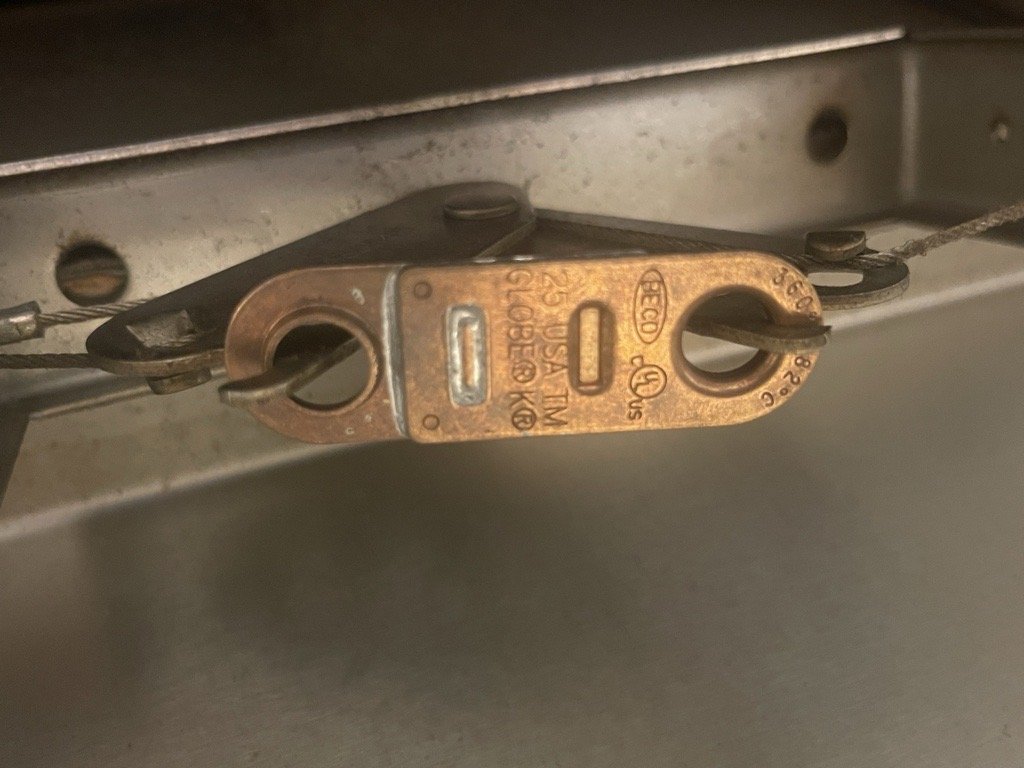
 Setting
A Prosper kitchen on our schedule, with a system that had been tagged good only days earlier.
 What we found
A fusible link on the detection line had just crossed its expiration date, even though the system had passed its last check. A link does not care that the rest of the system is fine, it expires on its own date.
 What we did
We replaced the link on the spot with one from the truck and confirmed the detection line still actuated correctly.
 Outcome
The system was current again the same visit, before the link ever had the chance to matter.
Expired fusible links replaced before the next inspection
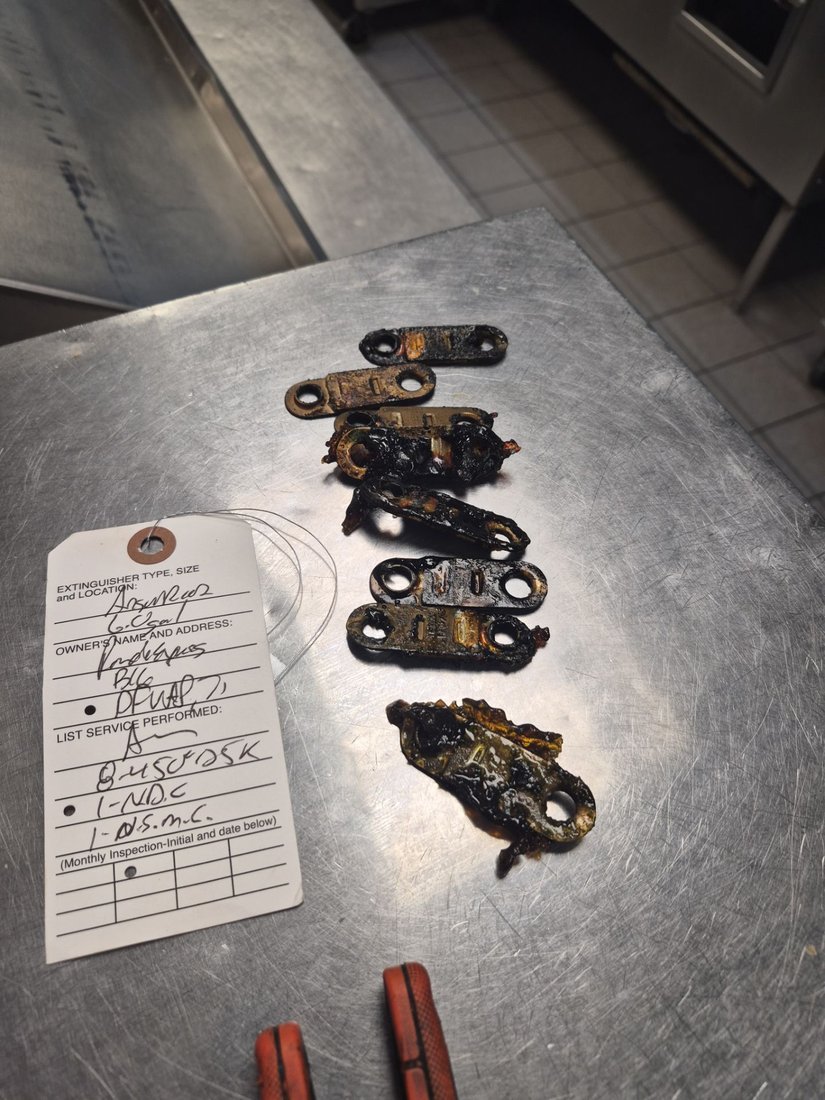 Setting
A Dallas commercial kitchen on a routine maintenance visit, with a full set of fusible links over a busy cookline.
What we foundThe links had reached their replacement date and several were caked in grease from the heat over the line. Left in place, they are the part most likely to slow the system down.
What we didWe pulled and replaced the full set with fresh links, then retested the detection line so the system actuates the way it should.
OutcomeThe links were current well ahead of the next inspection, so the system walked into it ready instead of getting written up.
Reviews
What Dallas-Fort Worth Facility Managers Say About Our Service
“Great company. I have a business and sometimes forget to do the little things.”
PrashantGoogle review
“Very nice helpful and friendly service. I will continue to use their services.”
Kids AcademyGoogle review
“Affordable, communicated well, and the service tech was pleasant.”
ChrisGoogle review
Common Questions
Fire Suppression System Service FAQs
How often does a fire suppression system need service versus inspection?
A commercial kitchen system has to be inspected every six months under NFPA 96. Service rides alongside that schedule, replacing the parts that have reached their interval, like fusible links, and bringing the cylinder back to charge. We do both on the same visit so the system is checked and made current at once.
What is the difference between service and inspection?
An inspection checks the system and reports its condition, pass or fail. Service is the work that keeps it passing, replacing fusible links, clearing nozzles, checking cylinder pressure and the cartridge, and testing the detection line. Inspection tells you what is wrong, service fixes it.
Do you carry parts on the truck?
Yes. Fusible links, nozzles, blow-off caps, and cartridges ride with us, so when we find a part that is due we replace it the same visit. One visit closes the call, with no second-trip charge for parts we should have had on hand.
Can you service a system another company installed?
Yes. We service whatever system you have, whoever installed it, including ANSUL R-102, ProTex, Pyro-Chem, Kidde, Amerex, and Buckeye. You do not have to use the company that put it in, and you do not have to replace the system to get it serviced right.
What is a service plan and what does it cost?
A service plan puts your system on a tracked schedule, so we book each visit, carry the parts, and keep the records without you having to chase it. The cost depends on how many systems you have, the number of hoods and nozzles, and the parts your system needs, so we quote it to your kitchen and put it in writing before any work begins. There is no fixed price.
Do you service every brand?
We service every major UL 300 wet-chemical kitchen system, including ANSUL R-102, ProTex, Pyro-Chem, Kidde, Amerex, and Buckeye. If you are not sure which system you have, send us a photo of the cylinder and control head and we will tell you.
Put Your Dallas-Fort Worth System on a Service Plan
Tell us how many systems you have and which brand they are, and we will put your kitchen on a tracked schedule, carry the parts, and keep the records so it is ready before anyone has to ask. Every plan is quoted to your site and put in writing before any work begins. Boss Fire serves all four DFW metro counties, Denton, Dallas, Tarrant, and Collin. Cities we serve include Dallas, Fort Worth, and Plano, plus the surrounding metroplex. See all DFW service areas.