UL 300 is the Underwriters Laboratories testing standard that every fire suppression system protecting a commercial kitchen has to meet, and a system built before that standard existed can knock a grease fire down without ever putting it out for good. If a fire marshal, an inspector, or an insurance company has told you your … Read more
Jeff Ralston
A commercial kitchen fire suppression system in Dallas-Fort Worth must be inspected at least once every six months, under NFPA 96, by a licensed fire suppression technician, not by kitchen staff and not on an annual schedule. That single requirement drives everything below: what gets checked, who is allowed to check it, and what happens … Read more
Kitchen fire suppression repair means diagnosing and fixing whatever is stopping a wet chemical system from doing its one job: putting agent on a grease fire the moment one starts. It is a different visit from a routine inspection. A repair starts from a known problem, a failed inspection, a red tag, a discharge, or … Read more
An ANSUL system is the automatic wet chemical fire suppression system mounted above a commercial kitchen’s cooking line, built to sense a grease fire within seconds and put it out before anyone has time to reach for an extinguisher. ANSUL is a brand name, not a generic term for any kitchen suppression system. It is … Read more
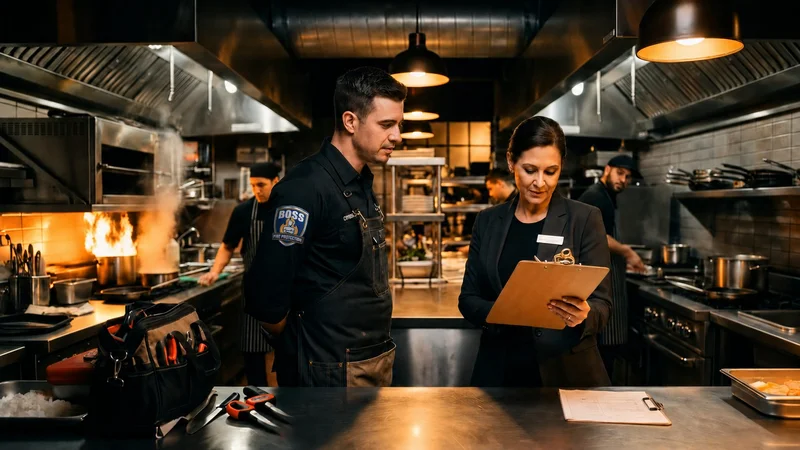
When a Dallas-Fort Worth commercial kitchen fails a fire inspection, the inspector writes up exactly what they found, and if it is serious enough, the fire suppression system gets red tagged and taken out of service right there. Most failures do not go that far. Most end with a written notice and a window of … Read more
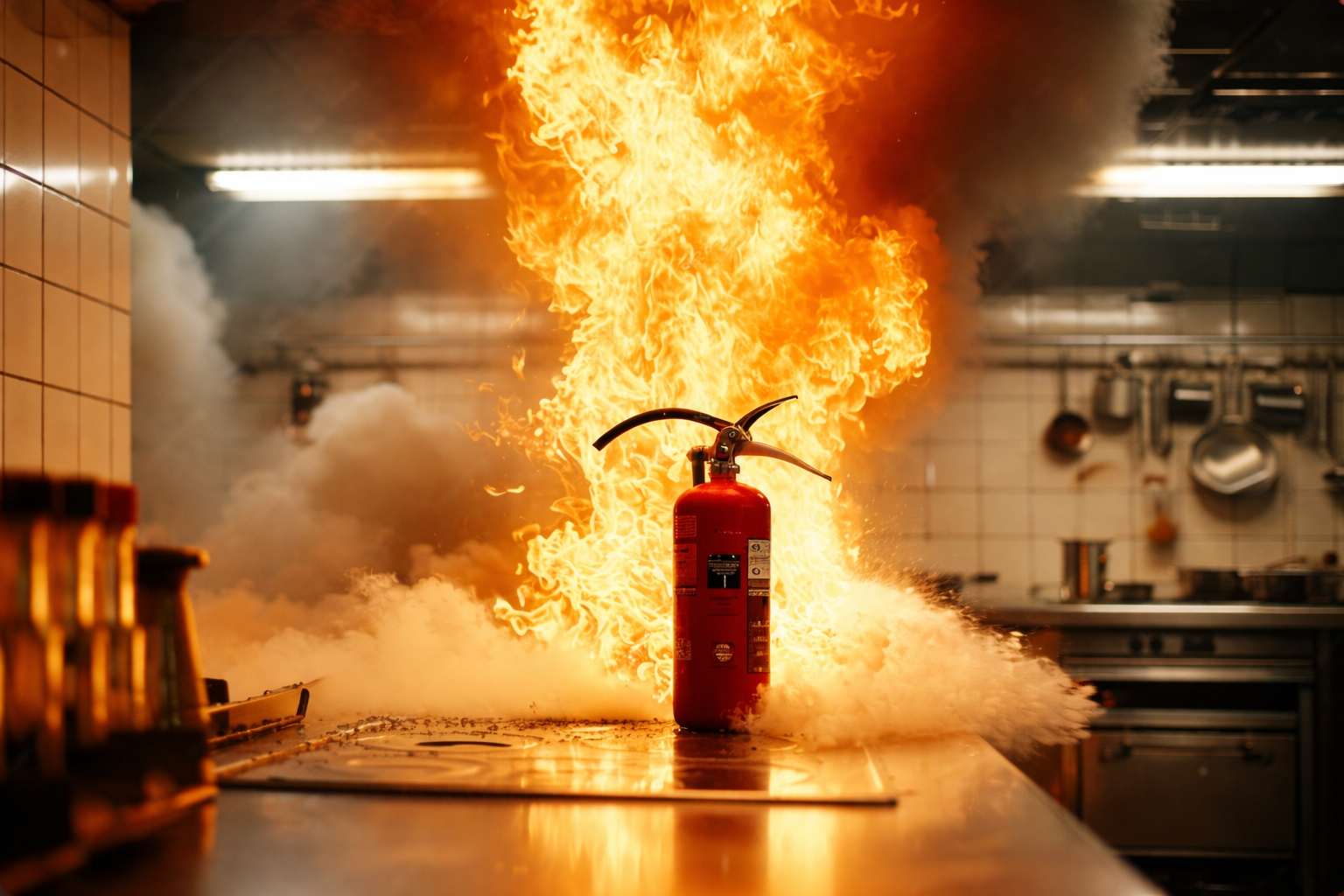
This guide provides a high-level, client-safe comparison of common UL 300 commercial cooking fire suppression systems. All listed systems are approved for commercial kitchen use when properly designed, installed, and maintained. Differences typically affect cost, flexibility, serviceability, and long-term convenience rather than basic fire-extinguishing ability. Manufacturer Breakdown – Pros, Cons, and What They Mean for … Read more
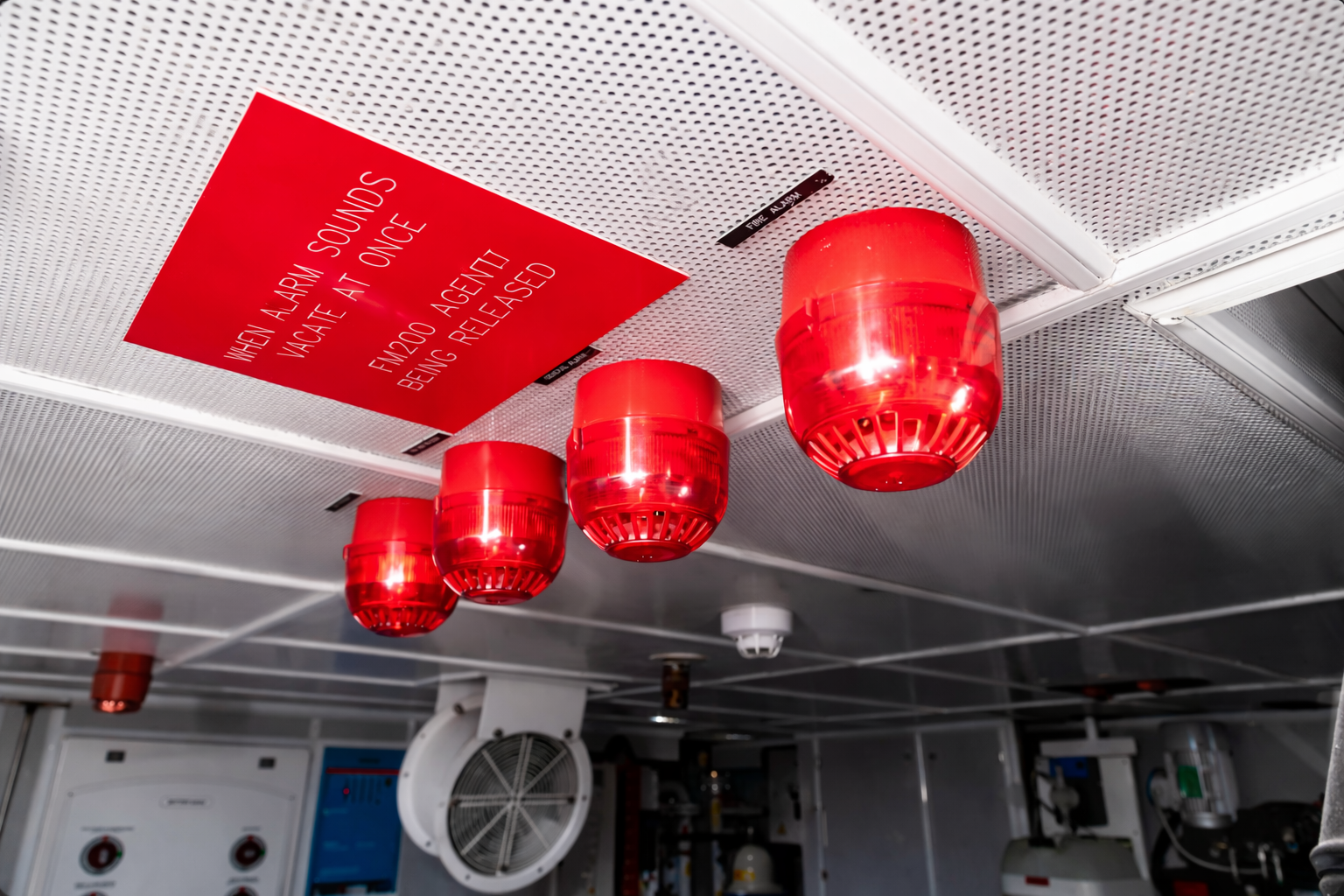
For commercial property owners and facility managers, maintaining reliable fire protection systems is not optional. It is a legal requirement and a critical safety responsibility. When equipment malfunctions or fails inspection, you face an important question. Should you repair the existing system, or invest in a full replacement? The right choice affects your budget, your … Read more
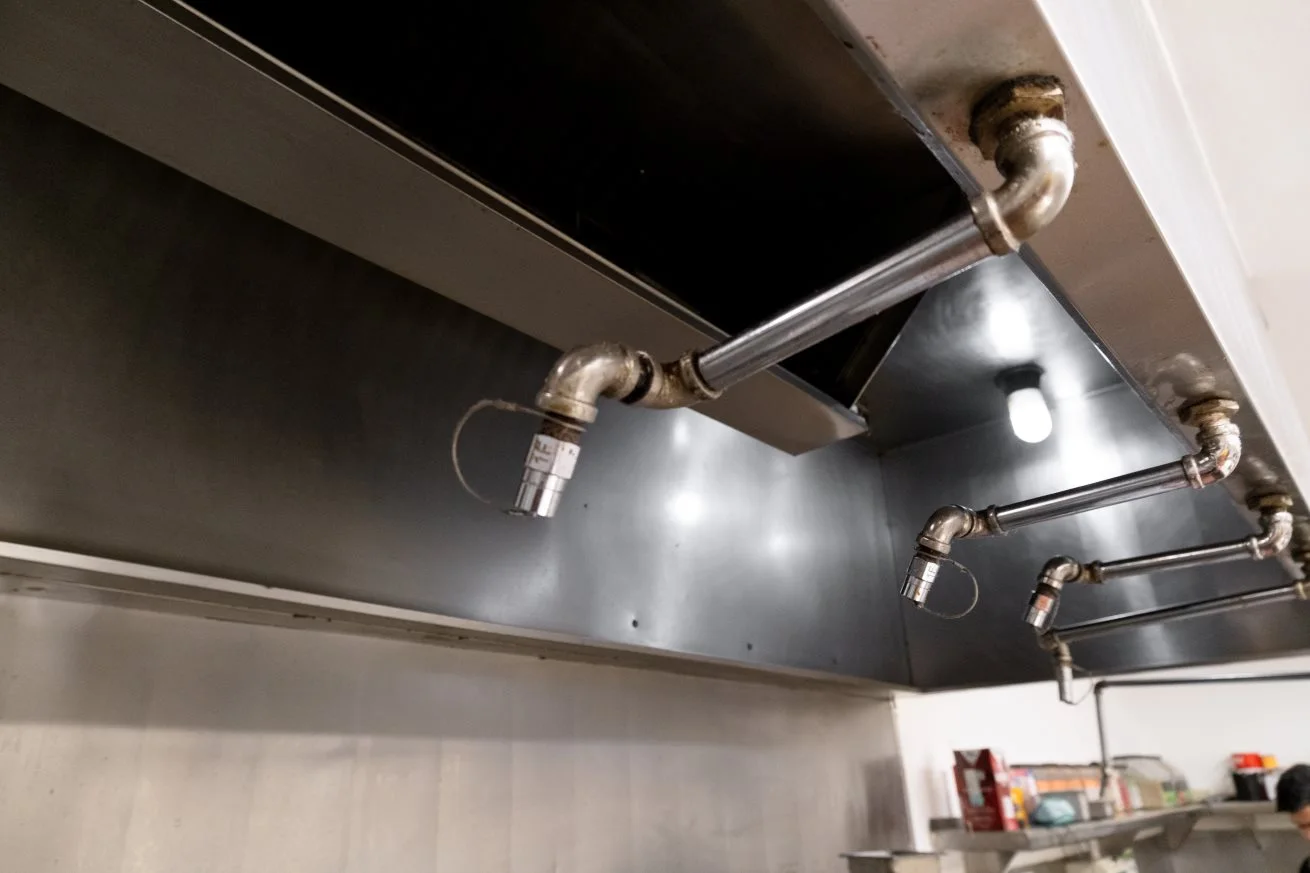
Every day, restaurant kitchens across the country face one of the most dangerous workplace hazards, fire. With open flames, high-temperature cooking equipment, and grease-laden vapors filling the air, commercial kitchens are environments where fires can start in seconds and spread rapidly. For restaurant owners, kitchen managers, and hospitality professionals, understanding how to protect your operation … Read more
Don’t Ignore These 2026 Fire Code Compliance Updates. Fire safety norms are to be revamped to their fullest in 2026. The new rules will cater to the needs of modern buildings, dependence on electric power, new materials, and, on top of that, the increasing number of preventable fires. Thus, these regulations should be understood and … Read more
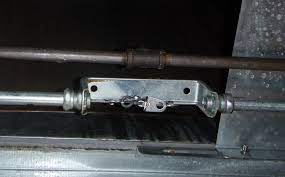
A fusible link is the part of your kitchen fire suppression system that decides when to fire. It is two small pieces of metal joined by a solder alloy rated to melt at a set temperature, holding tension on the detection cable that runs across your hood. When the air below the link reaches that … Read more