Your kitchen hood suppression system matters to your insurer because cooking starts most restaurant fires, and the system over the cooking line is what is built to stop one while it is small. The paperwork that proves the system is maintained, a current tag and a written inspection report, is what you can show an agent at renewal and an adjuster after a fire. Boss Fire Protection’s semiannual fire suppression inspection leaves that report behind for kitchens across Dallas-Fort Worth, and this article explains how it fits with your policy.
- Cooking caused 64% of reported restaurant fires from 2011 to 2013
- Your policy, not a general rule, says what the insurer expects
- Keep every tag and report, not only the latest
- Safer, better maintained premises can help with premiums
Why Do Insurers Care About a Restaurant’s Fire Suppression System?
Because the kitchen is where most restaurant fires start. The U.S. Fire Administration found cooking caused 64% of restaurant fires reported from 2011 to 2013, which ran to about 5,600 fires and $116 million in property damage each year. A maintained hood system is the main defense over that cooking line.
The U.S. Fire Administration’s restaurant fire figures put the average loss at about $23,000 a fire. That is the risk an insurer is pricing, and the suppression system is one of the few parts of it an owner controls directly.
$116 million
The property damage from an estimated 5,600 restaurant fires reported to U.S. fire departments each year from 2011 to 2013.
Sourced to U.S. Fire Administration, Restaurant Fires (2011 to 2013)
What Your Policy Covers, in Plain Terms
The Texas Department of Insurance’s commercial property insurance guide sets out the main pieces a restaurant owner deals with.
| Coverage | What it pays for after a fire |
|---|---|
| Commercial property | Repairing or replacing the building and business property damaged by a covered fire |
| Replacement cost | Repair or replacement at current prices, where actual cash value deducts depreciation |
| Business interruption | The income you lose while the business cannot operate normally |
| Extra expense | Additional costs of getting the business back to normal |
| Ordinance or law | Extra construction or repair costs to meet current building codes |
The last row matters for kitchens. Rebuilding after a fire means meeting the codes in force at the time, so a damaged hood, duct or suppression system may have to be rebuilt to today’s standards, which is what ordinance or law coverage is for, and it is worth asking your agent whether your policy would pay that difference.
Does a Lapsed Inspection Affect an Insurance Claim?
It can, and your policy is where the answer lives. A commercial policy may set conditions about keeping fire protection equipment in working order, and the wording differs between insurers. Read that section, ask your agent what happens if the system was out of date at the time of a fire, and keep records proving it was not.
NFPA 96 requires the system to be maintained at least every 6 months by trained, qualified and certified people, so a tag more than six months old is the first thing an adjuster or a fire marshal will notice. NFPA itself notes that an insurance inspection department can act as the authority having jurisdiction for insurance purposes, which is one reason an insurer may send its own inspector or ask for your reports.
The Records That Answer an Insurer’s Questions
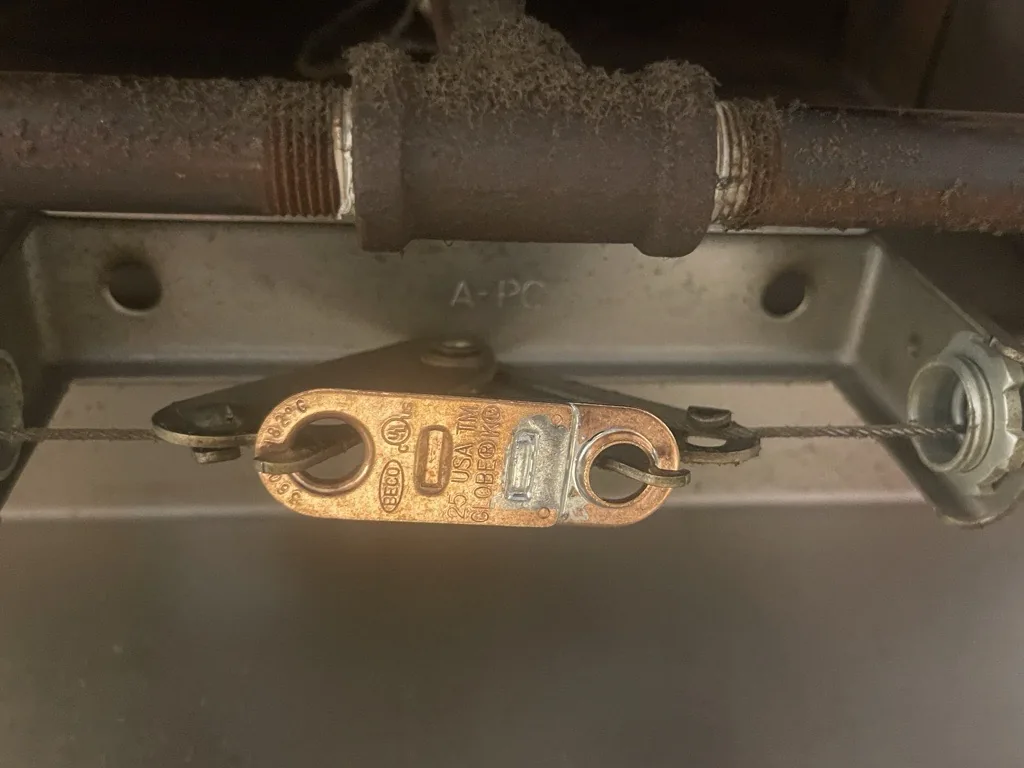
- The service tag on the system, with the date and the year of manufacture and installation date of the fusible links, as NFPA 96 requires.
- A written report from every visit, naming the technician and what was found, tested and replaced.
- Dated photographs of the cylinder, links, nozzles and pull station, which show the work rather than describe it.
- Repair and recharge invoices, so a red tag on file is followed by proof it was fixed.
- Certificates sent to the fire marshal, where your city asks for them.
Why the photographs carry more weight than a signature is explained in the importance of a photo-documented kitchen fire suppression inspection.
Can Maintaining the System Lower Your Premium?
It can help. The Texas Department of Insurance says improving the safety, security and maintenance of a workplace might lower the risk of a claim, which can help save money on premiums, and that most insurers offer loss-control services. A suppression system kept on its 6 month schedule is a clear part of that record.
Ask your agent what records the insurer wants at renewal and send them before you are asked. What the inspection itself costs, so you can budget both visits for the year, is set out in what a fire suppression inspection costs.
Keeping the Paper Trail in Dallas-Fort Worth
Boss Fire Protection is registered with the Texas Department of Insurance under Fire Extinguisher Certificate of Registration TX ECR-2481913. Every semiannual inspection we carry out ends with a dated, photographed report you can forward to your agent or your fire marshal. If your renewal is coming up and your last report is missing or out of date, send us the address and we will book the next visit.
Sources: U.S. Fire Administration, Restaurant Fires (2011 to 2013) topical fire report snapshot, on an estimated 5,600 restaurant fires a year, $116 million in property damage, $23,000 loss per fire and cooking as the cause of 64%. Texas Department of Insurance, Commercial property insurance guide, on property, replacement cost, actual cash value, business interruption, extra expense and ordinance or law coverage, on improving safety and maintenance to lower the risk of a claim and help with premiums, and on insurers’ loss-control services. NFPA 96, Standard for Ventilation Control and Fire Protection of Commercial Cooking Operations (National Fire Protection Association), on maintenance every 6 months, fusible link dates on the tag, forwarding certificates to the authority having jurisdiction where required, and its explanatory note that an insurance inspection department may be the authority having jurisdiction for insurance purposes.
Put a Licensed Fire Protection Team on Your Side
Inspections, service, red-tag repair, and new installs for commercial kitchens across Dallas-Fort Worth. Photo-documented work and a written report, every visit.