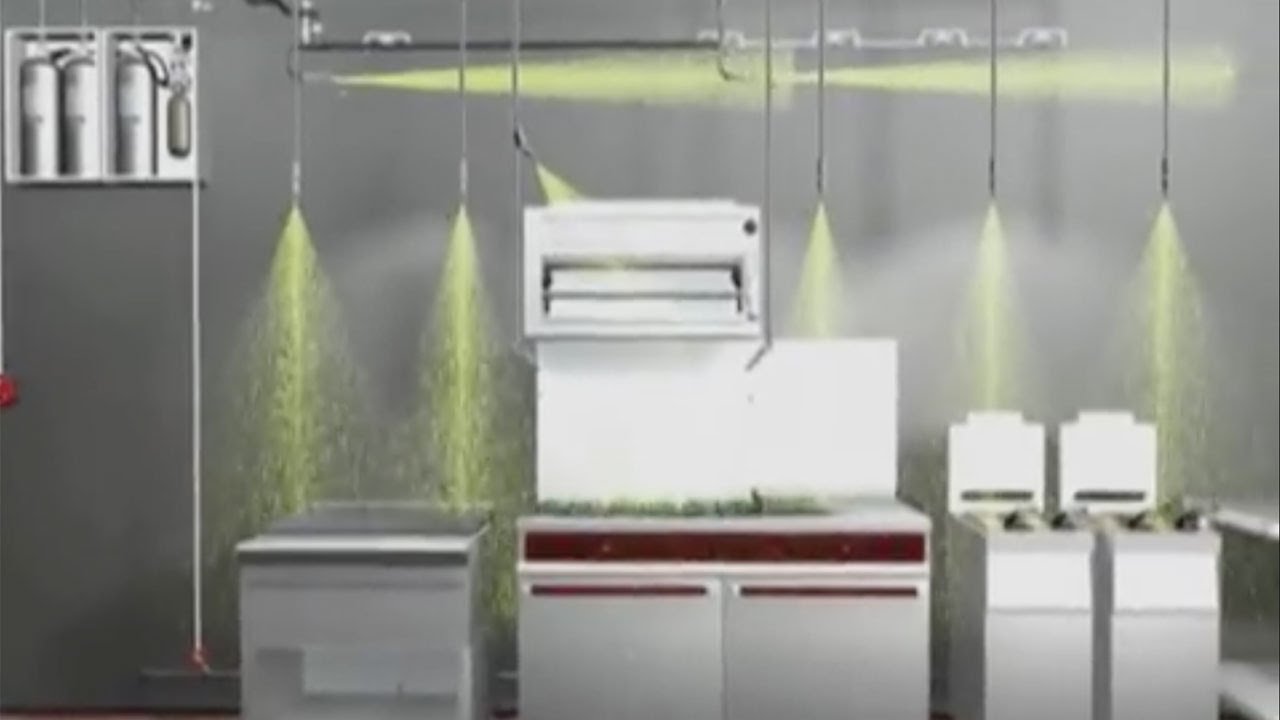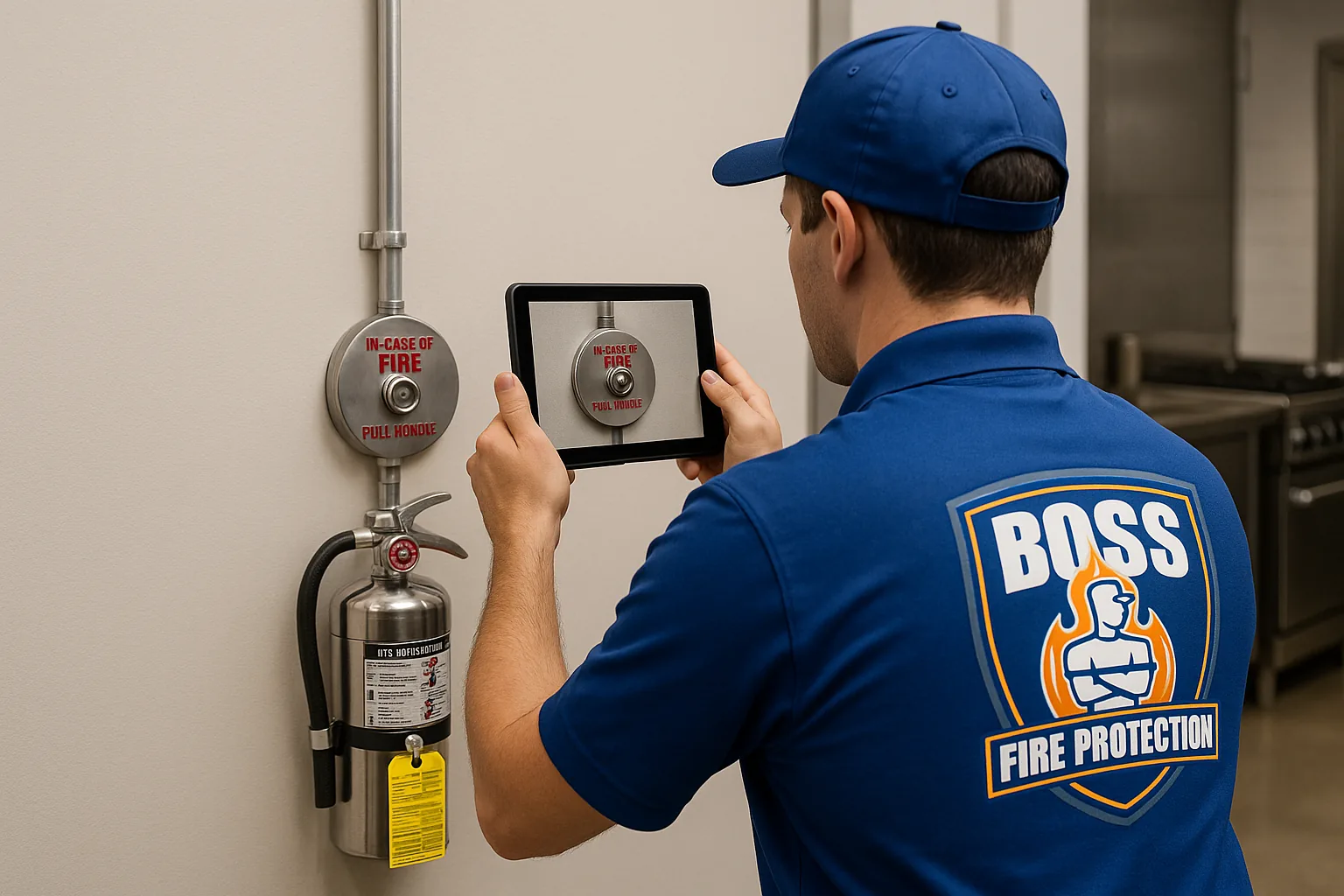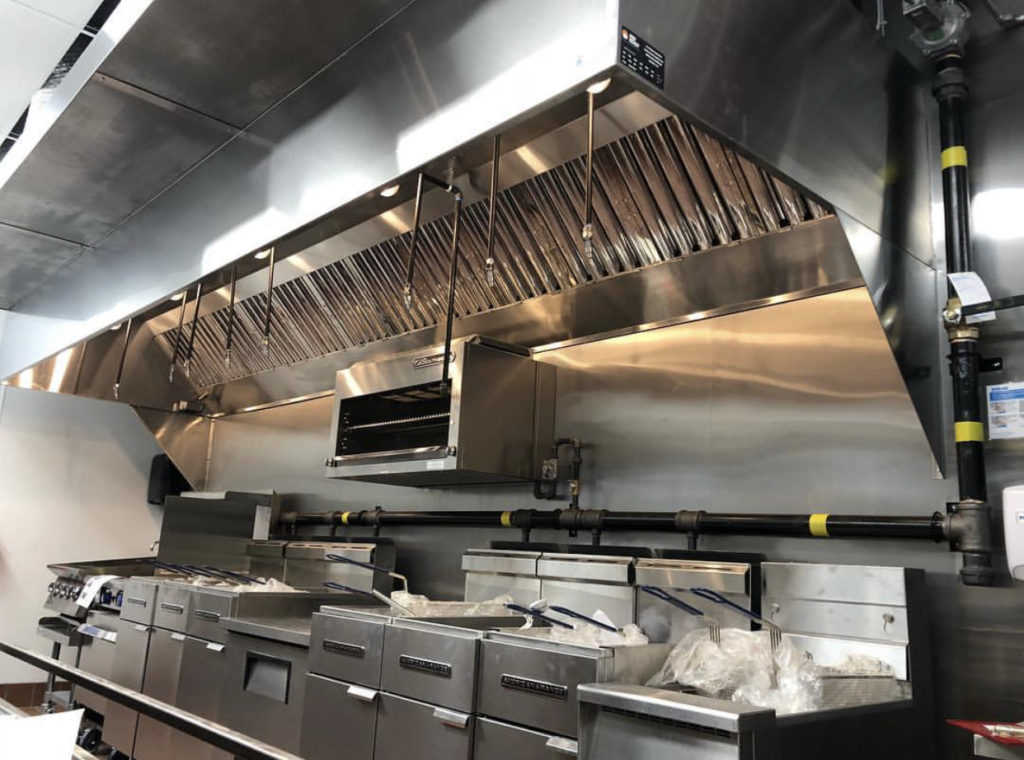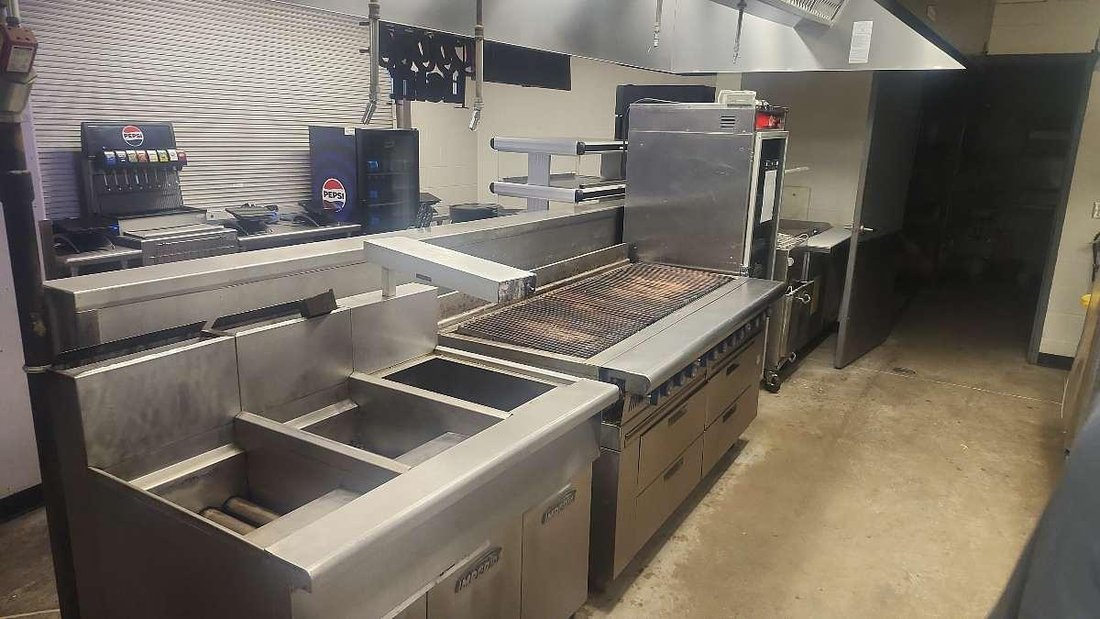
Your kitchen hood suppression system matters to your insurer because cooking starts most restaurant fires, and the system over the cooking line is what is built to stop one while it is small. The paperwork that proves the system is maintained, a current tag and a written inspection report, is what you can show an … Read more
Inspections & Compliance
Fire suppression inspection and code compliance guidance for Dallas-Fort Worth kitchens, covering NFPA schedules, red tags, and staying inspection ready.
Before a new restaurant in Dallas-Fort Worth can cook for customers, its kitchen hood suppression system has to be designed, permitted, installed and then tested in front of the city fire marshal. That acceptance test, along with the fire alarm connection and the Class K extinguisher, is the fire inspection most new owners mean when … Read more
Who pays for a restaurant’s hood suppression system is decided by the lease, and when the lease is silent, NFPA 96 puts the duty on the owner of the system. The standard says responsibility for inspecting, testing and maintaining the kitchen’s fire protection belongs to the system’s owner unless it has been handed in writing … Read more
A commercial kitchen fire suppression system in Dallas-Fort Worth must be inspected at least once every six months, under NFPA 96, by a licensed fire suppression technician, not by kitchen staff and not on an annual schedule. That single requirement drives everything below: what gets checked, who is allowed to check it, and what happens … Read more
When a required fire protection system is out of service, the fire code says the fire department and the fire code official must be told immediately, and where the fire official requires it, the building is either evacuated or covered by an approved fire watch until the system is back in service. For a kitchen … Read more
A second-generation restaurant space comes with a hood, a duct and usually a fire suppression system already on the wall, and that saves real money. But the system was designed for the last tenant’s cooking line, not yours. Before you sign, have a fire suppression inspection done on the system you would inherit, so you … Read more
A kitchen fire suppression inspection is priced by the system it covers, and most of what you pay for is work you never see. Boss Fire Protection’s published price for a commercial fire suppression inspection in Dallas-Fort Worth is “Starting at $599 per semi-annual visit, one hood and one cylinder”, with the fusible links and … Read more
In Texas, a commercial kitchen needs a fire suppression system whenever it cooks on appliances that produce grease-laden vapors, such as fryers, griddles, charbroilers, woks and range tops, under a grease hood. The requirement comes from the fire code each city adopts and from NFPA 96, the national standard for commercial cooking, which the Texas … Read more
To keep fire suppression compliant across several restaurant locations, run every site on one written schedule built from NFPA 96, keep the same proof of each visit for every site in one place, and check each site against its own city’s fire marshal rather than assuming they all match. The state standard is the same … Read more
When a Dallas-Fort Worth commercial kitchen’s fire suppression system fails its inspection, the fire protection company doing the inspection is required to red tag the system and report it to the fire marshal’s office within 24 hours. In Boss Fire’s experience, none of those kitchens is told to stop cooking by the failed inspection itself. … Read more