Don’t Ignore These 2026 Fire Code Compliance Updates. Fire safety norms are to be revamped to their fullest in 2026. The new rules will cater to the needs of modern buildings, dependence on electric power, new materials, and, on top of that, the increasing number of preventable fires. Thus, these regulations should be understood and prepared for by building owners, facility managers, and fire protection companies. This is a matter of being safe, complying with the law, and protecting against risks.
With the 2026 Fire Code changes, there will be new laws regarding reviews, fire alarm technology, emergency lighting, sprinklers, and documentation. Not being able to implement the changes might lead to a business being fined, the insurance company refusing to pay, and fire hazards becoming more severe. This article summarizes the main changes in a simple and orderly manner so that you can react promptly.
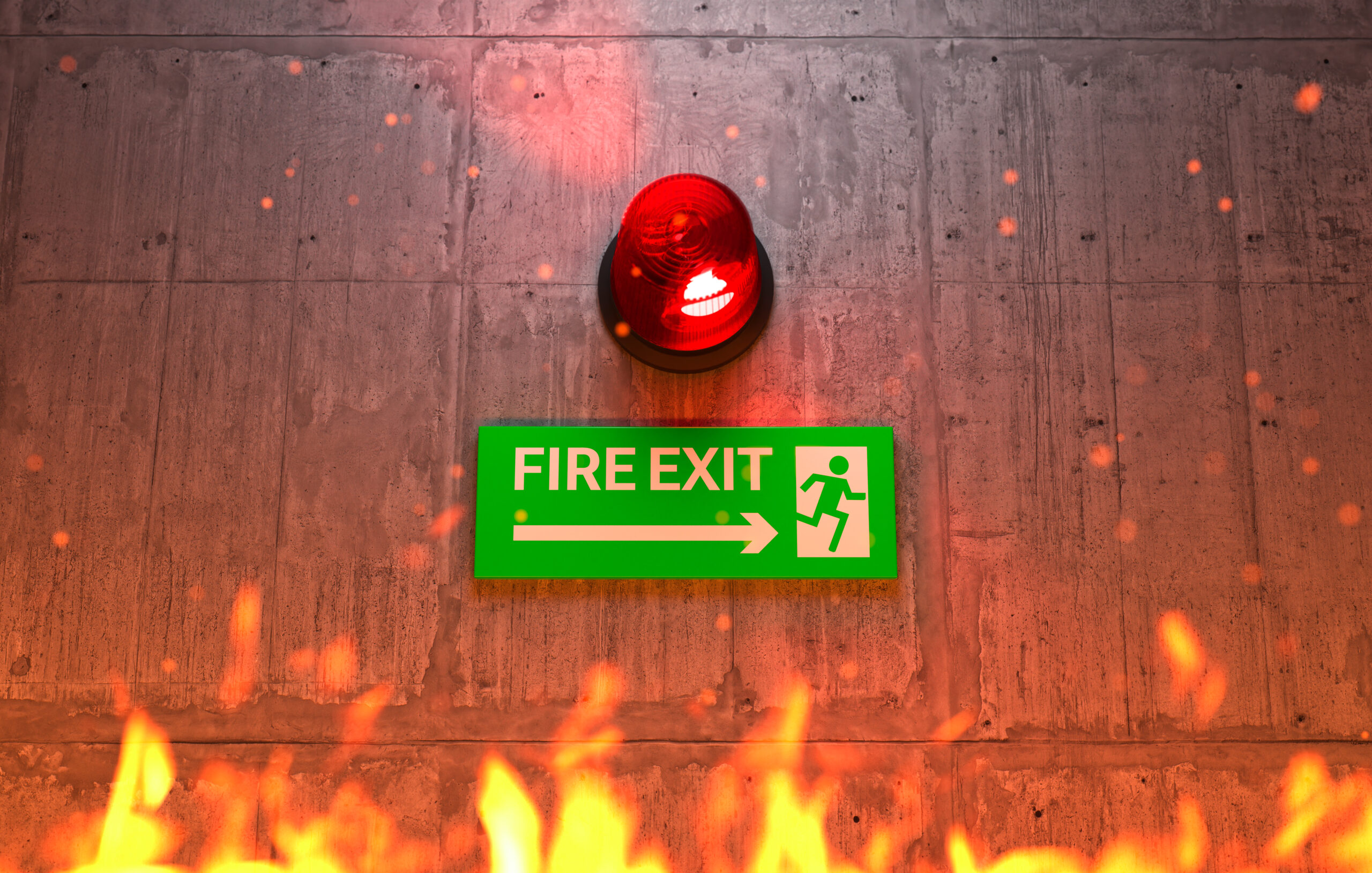
Route lighting systems must be easily seen and must keep working for a minimum of 90 minutes during a power failure, with brighter exit signs and glow-in-the-dark marking advisable for schools and hospitals.
Reasons for the Significance of the 2026 Fire Code Revisions
Fire code changes are not merely a matter of regulations. They are influenced by actual situations, changing dangers, and enhancements in safety. Today’s constructions have a lot of electrical devices, heavy storage systems, and different materials that might not necessarily behave the same way in case of fire. Therefore, the regulators are now taking stricter measures to ensure that disasters that could be avoided do not occur. Fire codes also change on a fixed schedule, and the International Code Council, which publishes the International Fire Code, says its 2024 to 2026 development work produces the 2027 edition of its codes, on a continuous three-year cycle.
3-year cycle
The fixed cycle on which the International Code Council develops each new edition of its codes, the International Fire Code included. The 2024 to 2026 cycle produces the 2027 edition.
Sourced to International Code Council, code development process
Neglecting these changes could lead to serious consequences.
- Heavy penalties
- Halting of business operations
- Being held responsible if accidents happen
- Not passing the inspection
- Insurance claims being rejected
Taking action now means avoiding the huge inconveniences of tomorrow.
Key Code Changes in 2026 for Fire Safety That You Should Be Aware of
The below-listed modifications are the ones that will have the biggest impact and every single building that is commercial or multi-unit residential will have to get ready for them.
Clever, and needed, fire alarm technology. The year 2026 will see the requirement for many buildings to have the installation of upgraded smart fire alarms that can monitor the entire system in real-time and perform automated reporting as well. Such systems will lead to an elimination of false alarms, enhancement of emergency response times, and immediate alerts to maintenance teams if there is a problem. If traditional panels do not have intelligent monitoring capabilities, they may not be compliant and considered out of date.
For buildings that exceed certain occupancy limits, it will be mandatory to implement advanced fire alarm capabilities, including significantly improved detection sensitivity, automated fault alerts sent directly to monitoring centers, integrated communication systems, and cloud-based monitoring options to ensure continuous oversight and faster response times.
Increased inspection and maintenance frequency. The new code is making it a rule that inspections will be done more regularly to keep the systems working all year round. The new requirements include the following schedule of checks.
| System | Required frequency |
|---|---|
| Fire alarm inspections | Every three months |
| Sprinkler system servicing | Every six months |
| Extinguisher testing | Once a year |
| Lighting and signage checks | Every month |
Frequent inspections are the way to go if you wish to catch problems early and make sure they do not turn into violations.
Enhanced Sprinkler System Standards
Sprinkler systems will have to comply with new regulations in 2026, and the most affected application areas are warehouses, hospitals, restaurants, and manufacturing plants. The new regulations stipulate the use of corrosion-resistant parts and conducting thorough examinations of the internal piping system.
The key changes include the following.
- Internal inspection of pipes every five years is mandatory
- High-rack storage now has new flow requirements
- Corrosion-resistant materials are to be used in areas with high moisture
Emergency Lighting, Evacuation, and Extinguisher Placement Changes
Tougher emergency lighting and evacuation requirements. The safety of evacuation is the primary concern in the 2026 changes. There will be route lighting systems installed that can be easily seen and that will remain working for a minimum of 90 minutes during a power failure. The exit signs will have to be made brighter, and the use of glow-in-the-dark marking will be advisable for schools and hospitals.
Buildings will be required to provide the following upgrades.
- Better lighting
- Illuminated direction exit markers
- Increased battery capacity for the backup system
- Monthly tests conducted regularly
Revised fire extinguisher placement and requirements. Fire extinguisher mapping has transformed to support the changing workplace environments. The new policy gives directions for the areas with lithium batteries, food-preparation rooms, boiler rooms, and places where goods are stored.
New regulations address the following areas.
- The distance between fire extinguishers
- Fire extinguishers for a specific class
- The amount of area (sq. ft.) for one unit used extinguishing agent

The majority of the buildings will have to go through a complete re-evaluation of their fire extinguishers in order to maintain compliance.
How These Updates Impact Different Buildings
Regardless of whether you have a retail establishment, a corporation, a healthcare facility, or you possess multifamily housing, the news is still widely applicable throughout the sectors. Any edifice that has people or electrical systems has to observe the regulations.
The industries most impacted by the 2026 Fire Code updates include warehousing and manufacturing facilities, hospitality and retail businesses, educational institutions, healthcare facilities, and restaurants, all of which rely heavily on electrical systems, storage infrastructure, and occupant safety measures. For these sectors, preparing in advance is essential, as early planning helps avoid last-minute, rushed installations, reduces compliance risks, and ensures a smoother transition when the new regulations take effect.
2026 Non-Compliance Penalties
The regulators are putting more emphasis on building fire safety than ever before. Non-compliance may cause the authorities to impose instant violations, fines and in some cases, even orders to cease operations depending on the gravity of the case.
The risks include the following.
- Imposition of fines, which could be from moderate to extremely high
- Refusal of insurance claims
- Business closure because of unsafe conditions
- Legal liability attributed to owners and managers
However, regular maintenance and timely upgrades can significantly reduce these risks.
Cover Yourself with Boss Fire Protection Support
Put a Licensed Fire Protection Team on Your Side
Inspections, service, red-tag repair, and new installs for commercial kitchens across Dallas-Fort Worth. Photo-documented work and a written report, every visit.

Jeff Ralston is the President of Boss Fire Protection, a Texas-licensed fire suppression company (License ECR-2481913) based in Dallas. He leads a team with over 40 years of combined experience inspecting, servicing, and installing commercial kitchen fire suppression systems and fire extinguishers across Dallas-Fort Worth.
Meet the Boss Fire team →