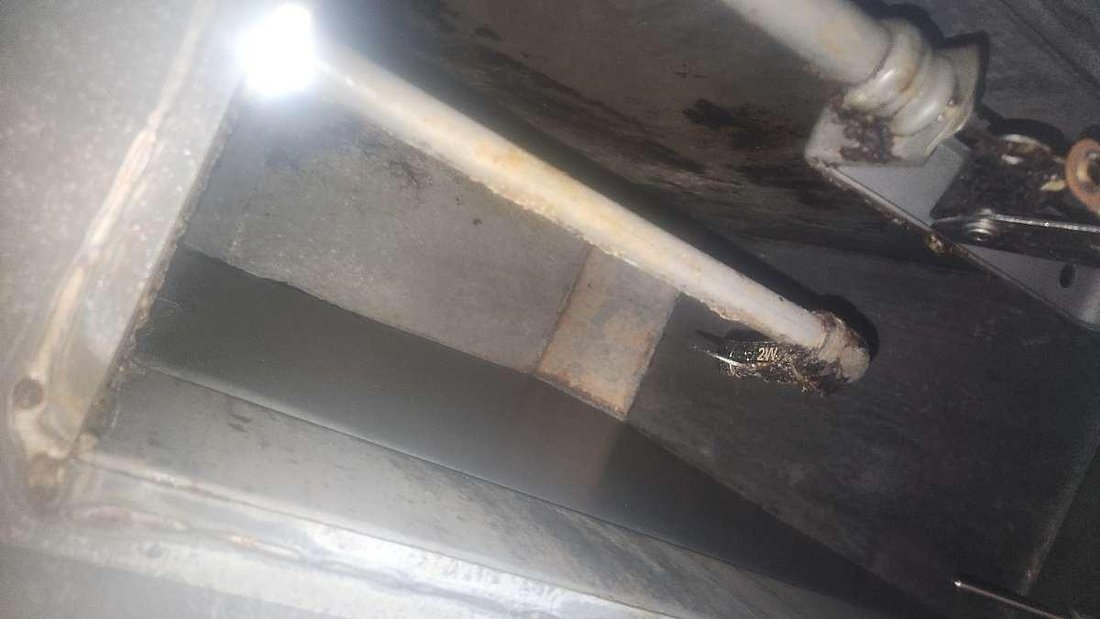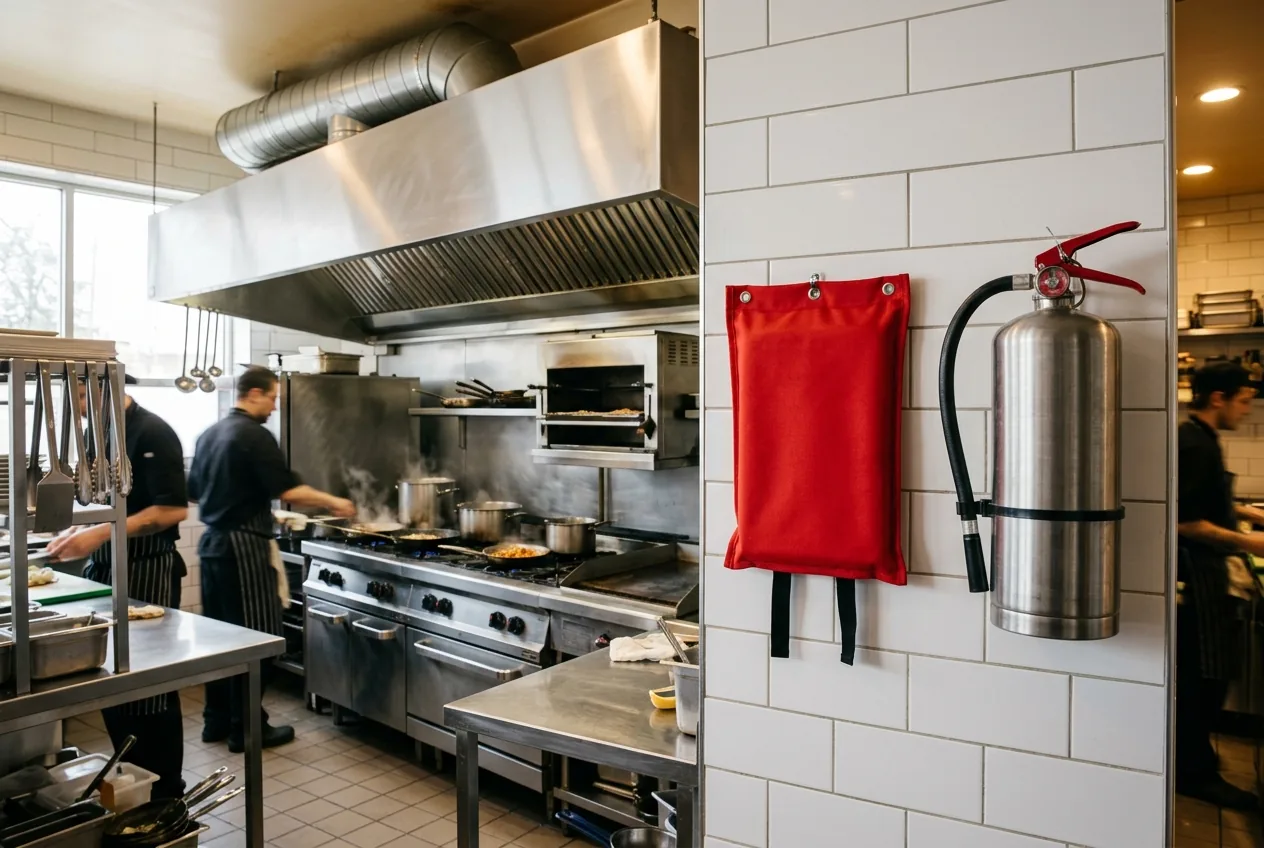
A fire blanket can smother a small pan fire on a range top, but in a commercial kitchen it is an extra, never a substitute. NFPA 10 requires a Class K extinguisher within 30 feet of any cooking appliance that uses vegetable or animal oils, and NFPA 96 requires the automatic hood system over the … Read more
Month: August 2026
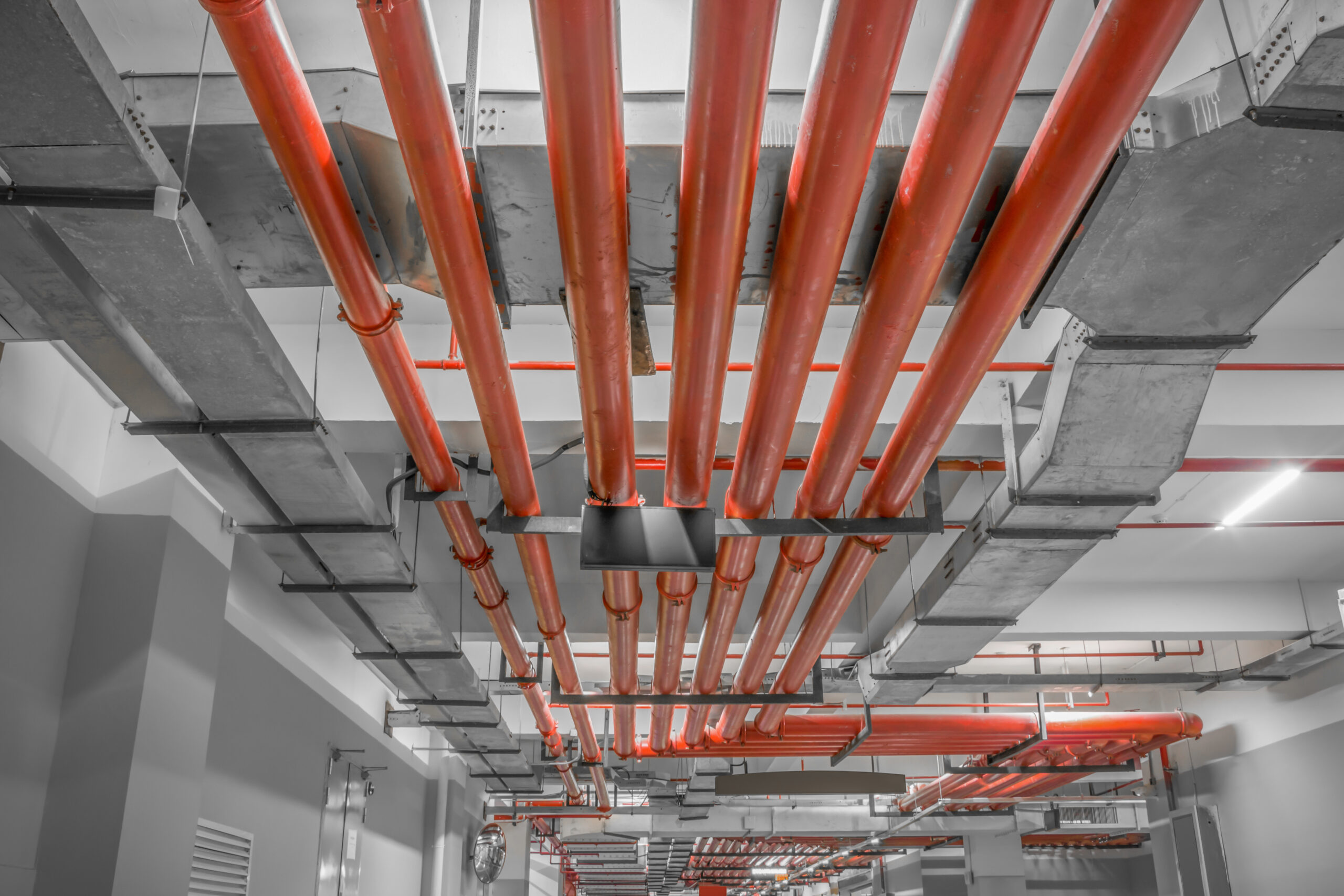
A sprinkler system protects a whole building with water, while a fire suppression system protects one particular hazard, such as a commercial cooking line or a server room, with an agent chosen for that hazard. Many restaurants have both, and neither replaces the other. If an inspector or a landlord has told you that you … Read more
A truck covered by the federal motor carrier safety rules has to carry a fire extinguisher rated at least 5 B:C, or 10 B:C if it hauls hazardous materials in placarded amounts, securely mounted and within reach. Lighter work vans not carrying placarded hazardous materials, and forklifts, fall outside that rule, but many fleets equip … Read more
A smoker, a wood-fired oven, a charcoal grill or a wood-burning broiler all fall under NFPA 96’s solid fuel cooking rules, which are stricter than the rules for a gas or electric line. The appliance usually needs its own exhaust system, spark arresters, listed water-based fire protection, a water extinguisher or Class K extinguisher close … Read more