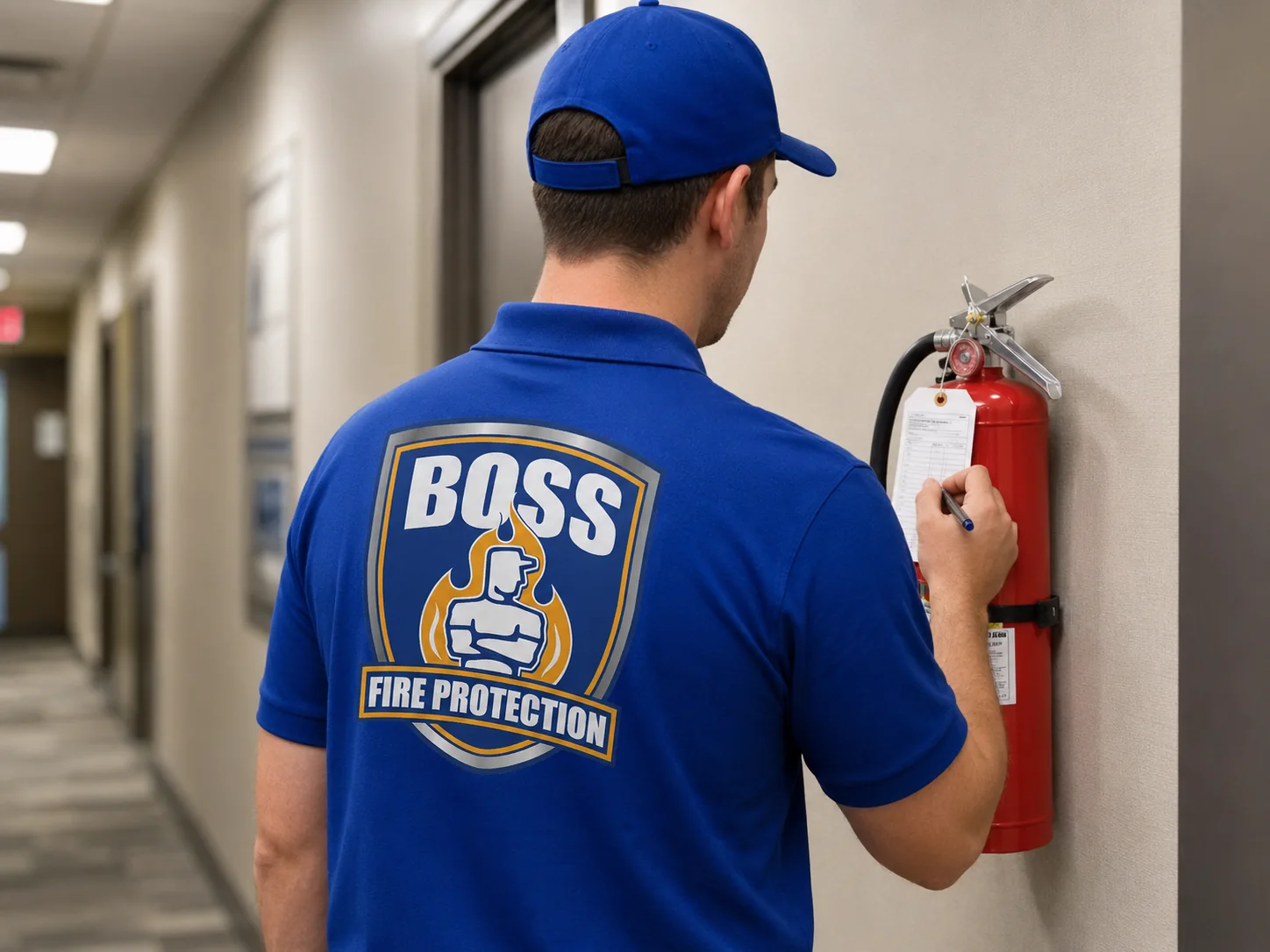
The string of numbers and letters on a fire extinguisher label, such as 2-A:10-B:C, tells you two things. The letters say which classes of fire it has been tested on, and the numbers in front of A and B say how big a test fire it put out. Reading it is the quickest way to … Read more
Month: June 2026
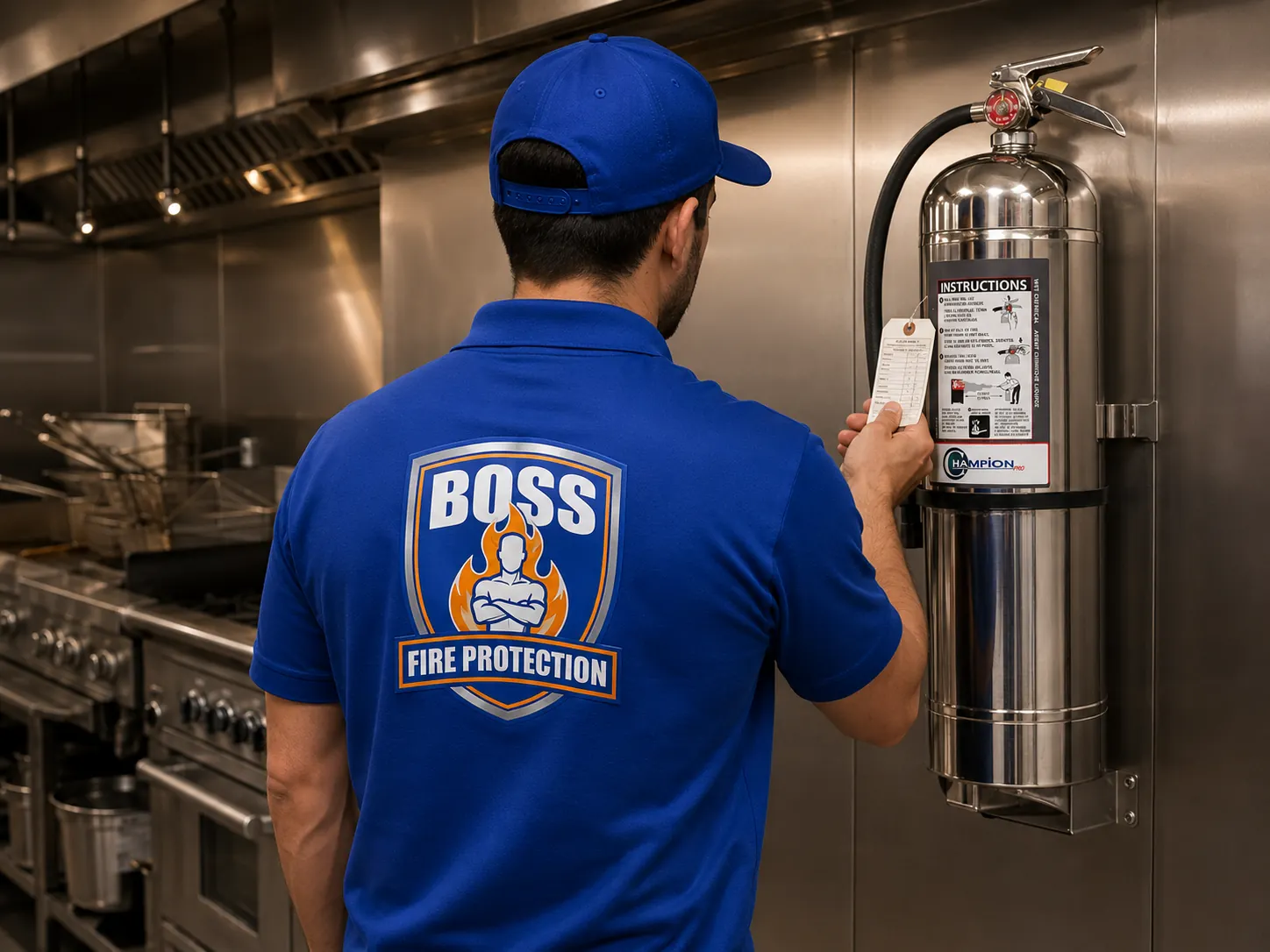
A kitchen fire suppression inspection is priced by the system it covers, and most of what you pay for is work you never see. Boss Fire Protection’s published price for a commercial fire suppression inspection in Dallas-Fort Worth is “Starting at $599 per semi-annual visit, one hood and one cylinder”, with the fusible links and … Read more
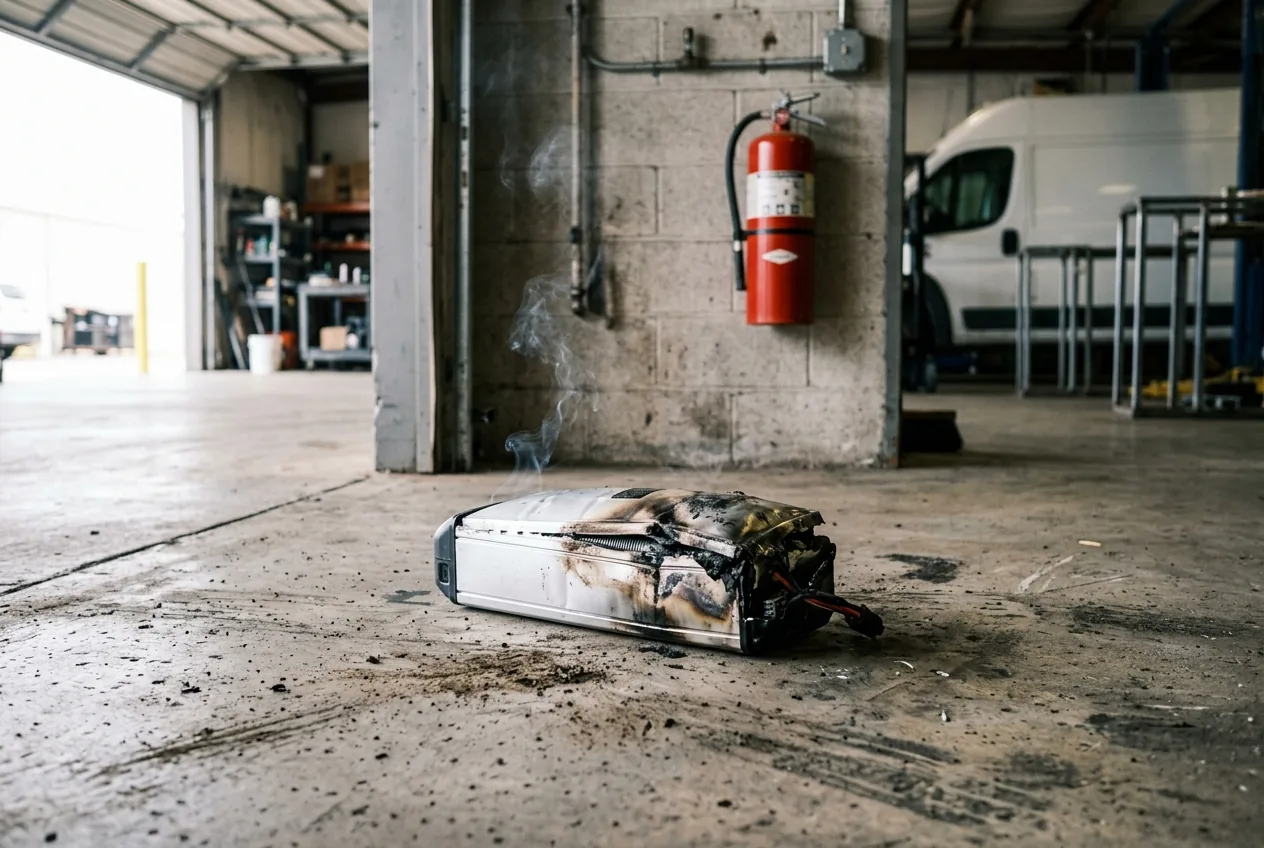
Lithium-ion batteries now charge in nearly every workplace, in e-bikes, scooters, power tools, radios, laptops and phones. When one fails, the advice from the U.S. Fire Administration is plain. Do not try to put a lithium-ion battery fire out, get everyone out and call 911. So the extinguisher you keep near a charging area has … Read more
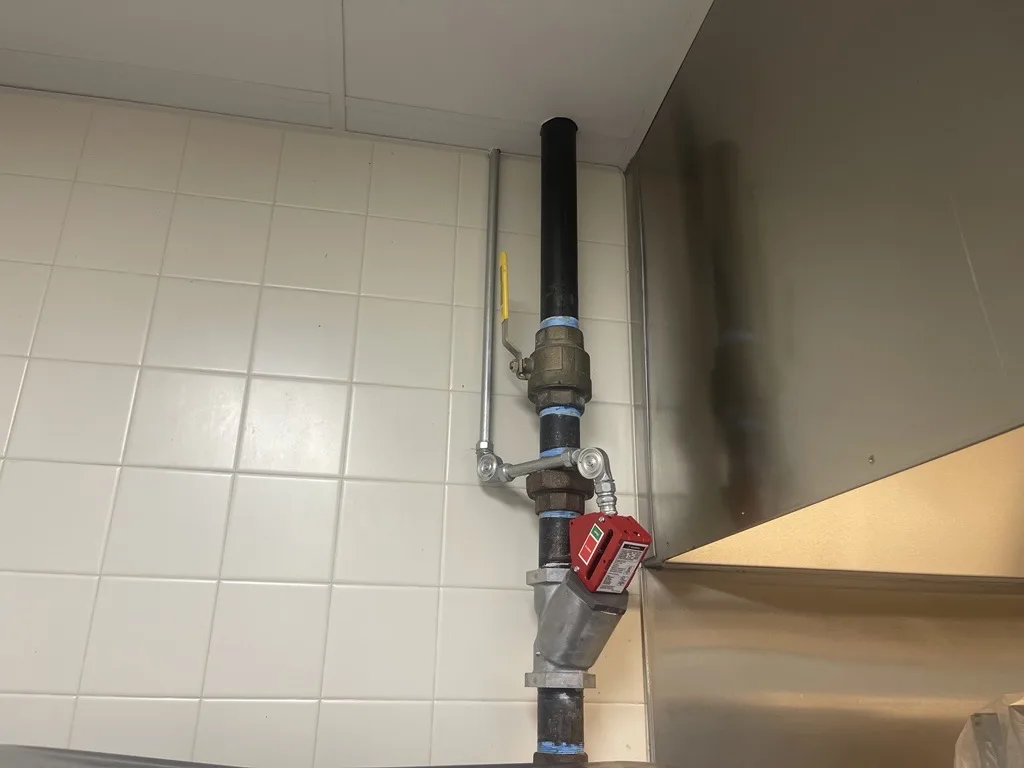
The gas shut-off valve on a hood system is the part that stops the fire from being fed. When the kitchen fire suppression system fires, the valve closes the gas to every appliance under the hood, and it stays closed until someone resets it by hand. Checking that it closes is part of every fire … Read more
The pound figure on a fire extinguisher is the weight of agent inside it, but the fire code does not count pounds. It counts the rating on the label, such as 2-A:10-B:C or 4-A:80-B:C, which says how big a fire the extinguisher was tested against. A 5 pound ABC unit suits offices, shops and dining … Read more