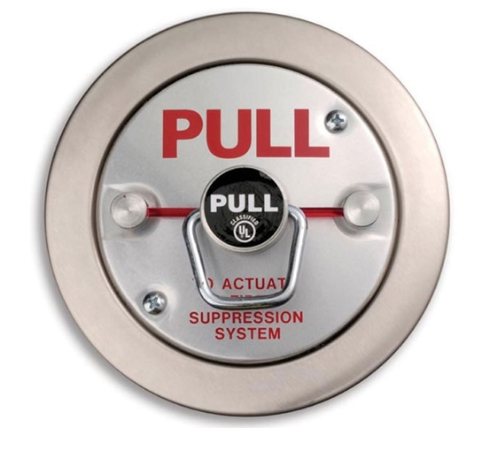
The remote pull station is the handle that lets a person set off the kitchen fire suppression system by hand, without waiting for the heat to do it. It is mounted on the way out of the kitchen, at the path of egress, and it must be visible and unobstructed. Every member of kitchen staff … Read more
Month: December 2019
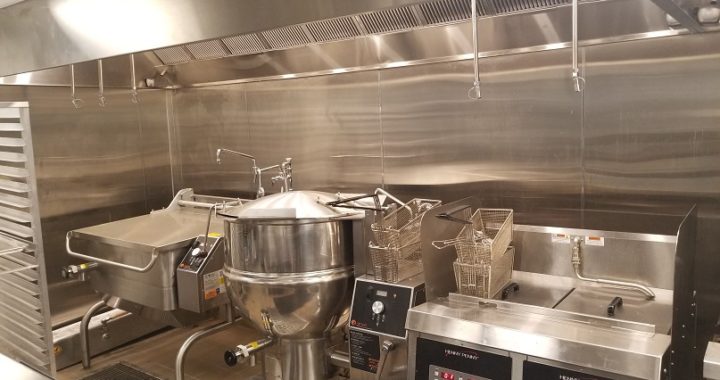
A restaurant fire suppression system is not designed to protect a kitchen in general. It is designed to protect the exact appliance line underneath it, and changing one appliance can leave a fully charged, freshly tagged fire suppression system unable to put a fire out. The part of the design that decides this is nozzle … Read more
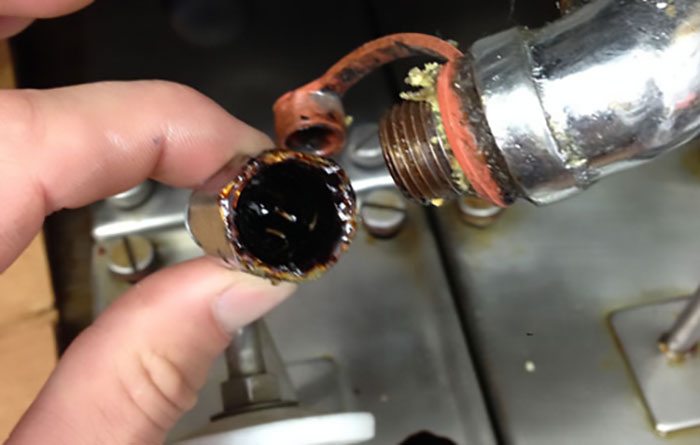
A kitchen fire suppression system does not sense fire through the hood. It senses heat through a steel cable, the detection line, running inside sealed conduit above the cooking line and holding the system’s fusible links under spring tension. When grease works its way inside that conduit, the cable can stiffen or bind enough that … Read more
A nozzle cap is the small removable cover fitted over the discharge opening of a kitchen fire suppression nozzle. Its only job is keeping grease, moisture and cooking debris out of that opening between service visits, so the extinguishing agent leaves the nozzle in the exact pattern the system was designed and listed to spray. … Read more
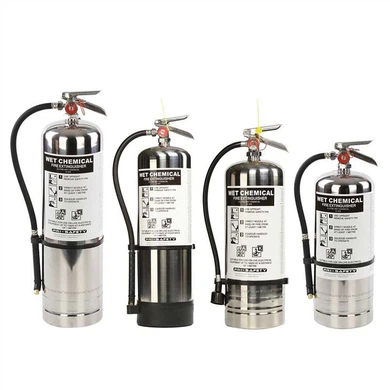
A Class K fire extinguisher is the portable unit built for fires in cooking oils, animal fats and grease, the fuel a commercial fryer or griddle burns through every shift. NFPA 10, the Standard for Portable Fire Extinguishers, requires one within 30 feet of the cookline in any commercial kitchen, working alongside the hood suppression … Read more
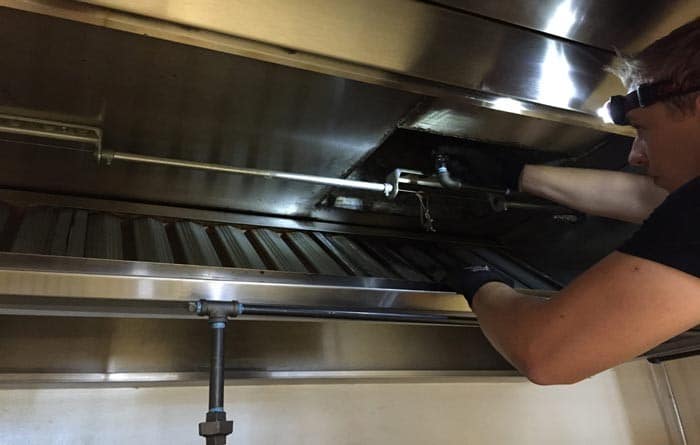
A photo documented kitchen fire suppression inspection is an ordinary NFPA 96 inspection with one difference. The technician photographs each item while checking it, and those photographs go into the written report the owner keeps, rather than only a signed tag on the wall. That difference matters because a tag proves someone visited. A dated … Read more